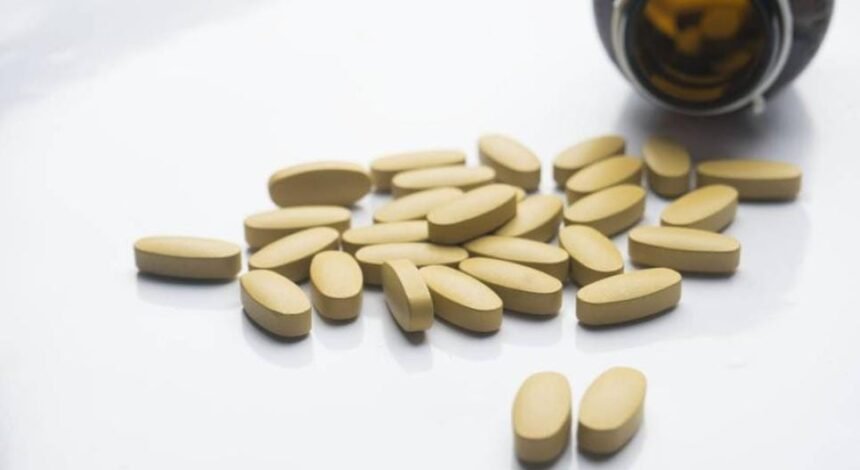
How quickly can Vitamin B3, or niacin lower cholesterol and is it safe?
If you have high cholesterol, you might be wondering: can vitamin B3, or niacin, lower cholesterol — and how fast? While niacin has been studied for decades as a cholesterol-lowering nutrient, the answer is more complex than you think.
Niacin can work — but at high doses
Niacin (vitamin B3) plays an essential role in how the body converts food into energy, helping use fats and proteins efficiently. At high therapeutic doses — far higher than you’d get from diet alone — niacin can:
- Lower LDL (“bad”) cholesterol
- Raise HDL (“good”) cholesterol
- Reduce triglycerides
Related story: ‘Eating chickpeas, black beans daily may lower inflammation, cholesterol’
But don’t expect overnight results. Studies show that niacin therapy typically takes several weeks to months to show a significant effect on cholesterol levels.
Why doctors no longer recommend niacin as first choice
In the past, niacin was often prescribed to patients who could not tolerate statins. However, a 2019 research review found that not all studies show clear benefits — and a 2024 study raised concerns that a product of niacin metabolism might even increase cardiovascular risk in some individuals.
Today, leading organizations such as the American College of Cardiology and the American Heart Association do not recommend niacin as a first-line treatment for high cholesterol.
The risks you need to know
Niacin is safe in the small amounts you get from food — but when used in prescription-strength doses (30–50 mg or more), side effects can include:
- Flushed or itchy skin (known as the “niacin flush”)
- Tingling or burning sensations
- Nausea, indigestion, and vomiting
- Low blood pressure and dizziness
- Elevated uric acid (risk for gout)
- Liver toxicity at sustained high doses
Severe reactions like irregular heart rhythms or even anaphylaxis can occur in rare cases.
People also read: Old cholesterol drug shows breakthrough potential against liver cancer
Who should avoid high-dose niacin
Niacin therapy may be unsafe for people with:
- Peptic ulcers
- Diabetes or metabolic syndrome
- Liver disease
- Active arterial bleeding
- Pregnancy or chestfeeding
Natural ways to get enough vitamin B3
For most people, a balanced diet provides all the niacin they need. Good sources include:
- Beef liver
- Chicken and turkey breast
- Salmon
- Brown rice
- Peanuts
- Fortified cereals
Deficiency is rare in developed countries, but in severe cases can lead to pellagra, a potentially fatal condition.
Bottom line
Niacin can lower cholesterol, but it is no longer considered the safest or most effective treatment. Do not self-prescribe high-dose niacin supplements — always consult a doctor before starting any cholesterol-lowering therapy. Safer, proven options such as statins, ezetimibe, or PCSK9 inhibitors are usually recommended first.