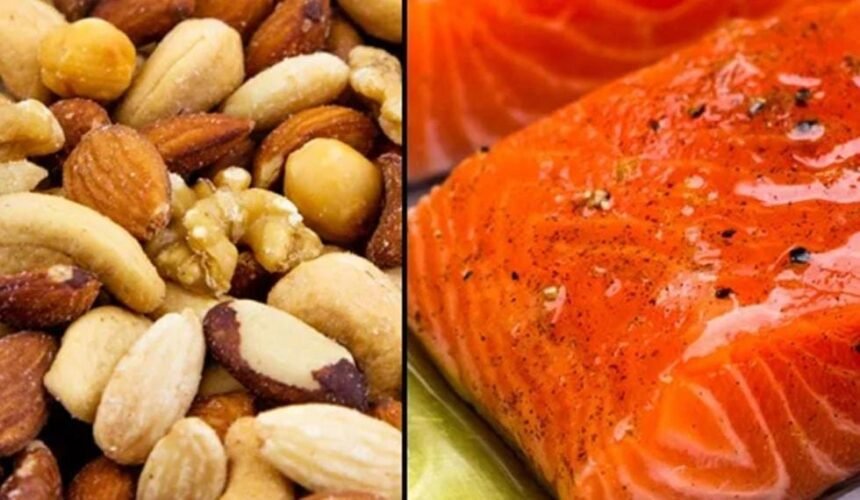
A new study by scientists from the University of Missouri has revealed that consuming high-fat foods such as fish, nuts, and berries may protect against Alzheimer’s disease.
The findings suggest that a ketogenic diet could help preserve brain health, especially for those genetically predisposed to the condition.
According to the study, published in the Journal of Neurochemistry, researchers examined how a high-fat, low-carbohydrate diet—known as a ketogenic diet—affects people at risk of developing Alzheimer’s.
They discovered that such a diet can slow or even halt the deterioration of brain function in individuals carrying the APOE4 gene, which is widely recognized as the strongest genetic risk factor for Alzheimer’s disease.
Role of APOE4 Gene
The APOE4 gene has long been linked to early brain metabolic dysfunction and altered gut bacteria. People with this gene are believed to have a higher chance of developing Alzheimer’s later in life.
The University of Missouri team focused on whether changing dietary habits could influence how this gene behaves in the body. Their findings suggest that by targeting these early brain and gut changes through nutrition, it may be possible to reduce Alzheimer’s risk before symptoms even appear.
Diet as preventive approach
The study highlighted that foods rich in healthy fats—such as fatty fish, nuts, and berries—play a role in maintaining metabolic balance in the brain. The ketogenic diet, which encourages the body to use fats instead of carbohydrates for energy, appears to create conditions that protect brain cells from damage and aging.
While the results are promising, the researchers emphasized that more long-term studies are needed to confirm the full benefits and safety of ketogenic diets for people with the APOE4 gene.