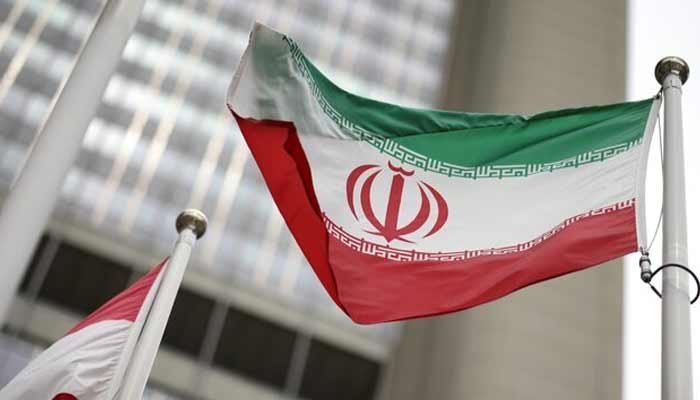
TEHRAN: Iran announced on Saturday that it is no longer bound by any restrictions on its nuclear programme, marking the official expiration of the 2015 Joint Comprehensive Plan of Action (JCPOA) — the landmark nuclear deal signed a decade ago between Tehran and world powers.
In a statement, Iran’s foreign ministry declared that from now on, “all provisions of the agreement, including the restrictions on Iran’s nuclear programme and related mechanisms, are considered terminated.”
The ministry, however, stressed that Iran remains committed to diplomacy, reiterating its readiness to engage constructively on nuclear and regional issues.
The JCPOA, signed in Vienna in 2015 between Iran, the United States, Britain, France, Germany, Russia, and China, had imposed strict limits on Tehran’s uranium enrichment and nuclear development in exchange for relief from crippling international sanctions.
But the deal began to unravel after the United States withdrew in 2018 under then-President Donald Trump, reimposing sanctions on Iran. In response, Tehran gradually rolled back its commitments, resuming higher-level uranium enrichment activities.
The latest development follows the reimposition of UN sanctions last month by Britain, France, and Germany, which Tehran denounced as “illegal” and contrary to the spirit of the agreement.
According to the International Atomic Energy Agency (IAEA), Iran is currently the only non-nuclear weapons state enriching uranium up to 60% — far beyond the 3.67% cap set by the 2015 deal and close to the 90% threshold required for a nuclear bomb.
Western powers have long accused Iran of seeking to develop nuclear weapons — allegations Tehran has repeatedly denied, insisting its nuclear programme is purely for civilian energy purposes.
The expiration date, referred to as “Termination Day”, was set for October 18, 2025, exactly 10 years after the JCPOA was endorsed by UN Security Council Resolution 2231.
In recent months, Iran has suspended cooperation with the IAEA, accusing the UN watchdog of bias and of failing to condemn Israeli and US strikes on Iranian nuclear facilities during the 12-day war with Israel in July.
The escalation disrupted ongoing nuclear talks between Tehran and Washington, and further strained Iran’s relations with Europe.
In a letter to the United Nations, Iranian Foreign Minister Abbas Araghchi declared that with the expiry of the JCPOA, all UN sanctions imposed under the deal are now “null and void.”
Meanwhile, Britain, France, and Germany have urged Iran to rejoin negotiations and restore full cooperation with the IAEA, accusing Tehran of non-compliance.