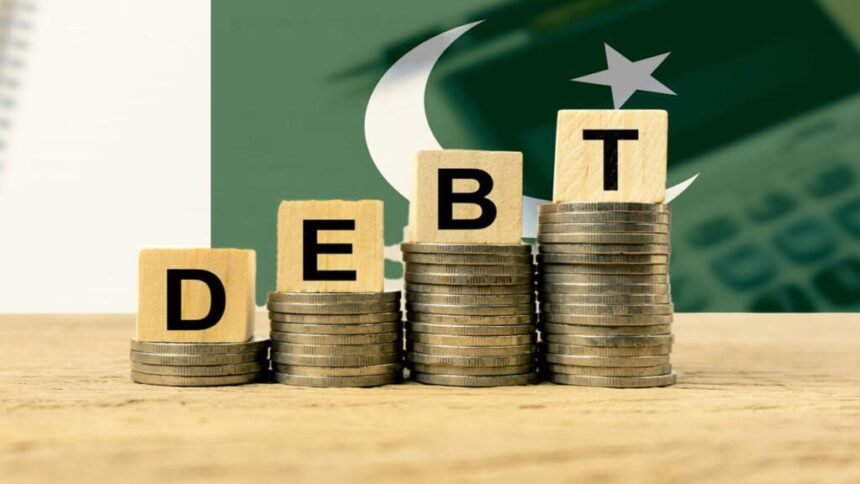
Pakistan’s public debt has risen sharply over the past decade, reaching 71% of the country’s Gross Domestic Product (GDP) in 2025 — up from 60% in 2016, according to official data.
The growing debt burden has put significant pressure on the economy, as debt repayments consumed nearly 89% of the federal government’s net revenue during the fiscal year 2025. By comparison, this figure was an alarming 120% in FY2023, meaning the government spent more on debt payments than it earned in revenue that year.
While other nations such as Japan have a much higher debt-to-GDP ratio (around 200%), Pakistan’s situation is considered more critical because its debt servicing consumes almost all available fiscal space, leaving little for development or social spending.
Experts warn that if current trends persist, Pakistan’s debt-to-GDP ratio could climb to 85% by 2035, far exceeding the limit set under the Fiscal Responsibility and Debt Limitation Act (FRDLA) passed nearly two decades ago.
The mounting debt has raised serious concerns about Pakistan’s economic sustainability and its reliance on external borrowing to meet domestic obligations. Economists have urged the government to focus on revenue generation, expenditure control, and sustainable fiscal management to prevent a full-blown debt crisis.