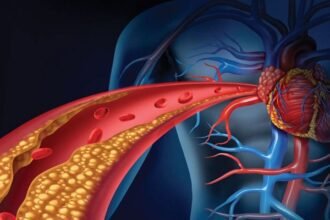
Health experts have issued a serious warning about the dangers of being “skinny fat” — a hidden condition where people who appear slim on the outside carry harmful fat deposits inside their bodies. According to a major study by researchers at McMaster University in Canada, even those with a normal body mass index (BMI) could be at risk of heart attack and stroke due to visceral fat buildup around internal organs.
Hidden fat poses silent threat to heart health
The study, published in Communications Medicine, analyzed MRI scans and health data from over 33,000 adults in Canada and the UK. It found that visceral fat and liver fat were strongly associated with thickening and narrowing of the carotid arteries, which supply blood to the brain. These changes significantly increase the risk of stroke and cardiovascular disease.
“This study shows that even after accounting for traditional cardiovascular risk factors like cholesterol and blood pressure, visceral and liver fat still contribute to artery damage,” said Professor Russell de Souza, co-lead author from McMaster’s Department of Health Research Methods, Evidence and Impact. He called the findings “a wake-up call for clinicians and the public alike.”
Why ‘skinny fat’ is more dangerous than it looks
Co-lead author Professor Marie Pigeyre explained that many people who seem fit or maintain a healthy weight could still have dangerous levels of internal fat. “You can’t always tell by looking at someone whether they have visceral or liver fat,” added Professor Sonia Anand, a vascular medicine specialist at Hamilton Health Sciences. “This kind of fat is metabolically active and dangerous — it’s linked to inflammation and artery damage even in people who aren’t visibly overweight.”
The findings highlight the urgent need for more accurate ways to measure body fat distribution beyond traditional BMI, such as imaging-based diagnostics that detect “hidden fat”.
New obesity definition could label 60% more adults obese
In a related study, researchers from Harvard University and Massachusetts General Hospital examined data from over 300,000 American adults, proposing a revised obesity definition that combines BMI, waist circumference, and waist-to-height ratio. Under this new measure, the number of people classified as obese could rise by almost 60%.
In the UK alone, this could increase the count of obese adults from 13 million to nearly 21 million, raising concerns about the economic and public health burden. Experts warn this shift would better capture individuals with hidden fat who are at serious risk despite a “healthy” weight.
The bigger picture: obesity laws and public health
Health authorities worldwide are stepping up efforts to curb obesity-related diseases. In England, new laws now ban “buy one, get one free” deals on sugary snacks and drinks, along with free refills of fizzy beverages in restaurants. From January, online junk food ads and TV commercials before 9 pm will also be prohibited.
Ministers hope these measures will combat the country’s escalating obesity crisis, linked to at least 13 types of cancer and a 39% rise in type 2 diabetes among adults under 40.
Medical experts agree that these findings serve as a reminder that a healthy appearance doesn’t always mean a healthy body — and that assessing visceral fat could become key in preventing heart disease and diabetes.