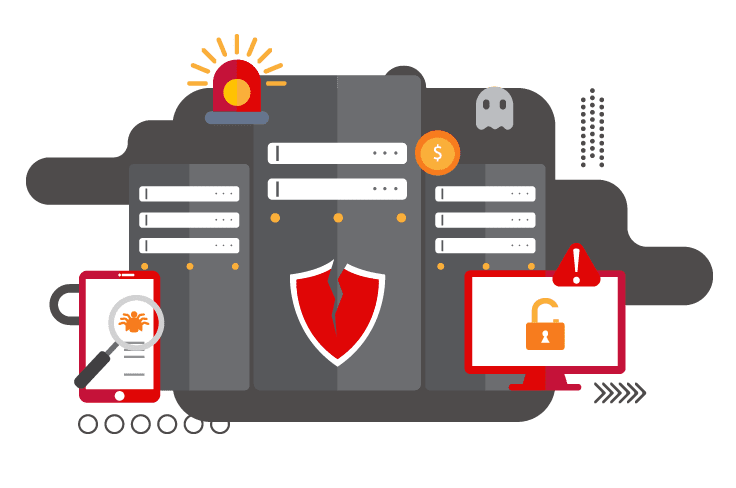
A Senate committee meeting turned tense on Thursday after four senators revealed they were defrauded by online scammers exposing deep concerns over Pakistan’s growing cybercrime crisis and ongoing data leak scandal.
The Senate Standing Committee on Cybercrime, chaired by Senator Faisal Saleem Rehman, met to discuss the recent controversies surrounding the National Cyber Crime Investigation Agency (NCCIA). The session featured a detailed briefing by NCCIA Director General Syed Khurram Ali, who addressed corruption allegations, misuse of authority, and the sale of citizens’ personal data on illegal online platforms.
Sensitive parts of the meeting including details on the sale of national identity and telecom data were held privately.
Senators Defrauded by Scammers
The meeting took a surprising turn when Senators Bilal Khan Mandokhail, Saifullah Abro, Dilawar Khan, and Falak Naz disclosed that they themselves had been scammed by fraudsters posing as officials or trusted contacts.
“I also received a call from these scammers,” said Committee Chair Senator Faisal Saleem Rehman, highlighting the widespread nature of the threat.
Senator Abro revealed that the hackers demanded between Rs500,000 and Rs550,000, while Senator Naz lost Rs500,000 in two instalments. Senator Dilawar Khan reported losing Rs850,000 through an online transaction. Naz further shared that the scammers had detailed information about her family and background, pretending to represent a “counselling centre.”
Committee members criticized the NCCIA for failing to take effective action despite multiple public complaints.
Data Leak Concerns Deepen
The senators also raised alarm over the massive breach of citizens’ personal data, which has reportedly affected thousands of Pakistanis including federal ministers, senior officials, and telecom users.
Senator Rehman questioned NCCIA officials on steps taken to curb the leaks. DG Khurram Ali informed the committee that 851 suspects have been arrested and that coordination with telecom companies is underway. “The investigation could take up to three months,” he added.
The issue first came to light when Express News exposed the online sale of Pakistani citizens’ data in 2024, and again in September 2025. Following the report, Interior Minister Syed Mohsin Naqvi ordered a full inquiry and directed authorities to ensure those responsible face justice.
The Pakistan Telecommunication Authority (PTA) later blocked 1,372 websites, apps, and social media pages involved in selling or sharing personal data.
Confusion Over Inquiry Committee
Tension grew when Senator Palwasha Khan questioned the progress of a ministerial inquiry committee previously announced by the Interior Minister. Both the Special Secretary for Interior and DG NCCIA claimed they were unaware of such a committee’s existence, raising concerns about coordination and transparency within government institutions.
A Continuing Crisis
Despite repeated warnings from media outlets and lawmakers, Pakistan’s cyber governance remains weak, with repeated failures to prevent sensitive data from leaking online.
Leaked databases reportedly include mobile SIM owner details, addresses, call logs, ID card copies, and travel histories, sold through dark web channels.
Experts warn that without stronger enforcement and transparency, cybercriminals will continue exploiting personal and national security data putting millions of Pakistanis at risk.