Bangladesh’s television landscape is undergoing a noticeable shift as Turkish dramas continue to surge in popularity, becoming prime-time favourites for millions of viewers. What started as a niche interest has now turned into a full-scale programming trend, reshaping what audiences expect from televised storytelling.
For years, Bangladeshi households were dominated by Indian serials—long, melodramatic, and formulaic. But that monopoly has weakened. Turkish dramas, dubbed into Bangla or airing with subtitles, have stepped into the spotlight with storylines that feel fresh, emotionally grounded and visually more polished.
Media executives say the appeal is easy to understand. The shows revolve around themes that resonate deeply in Bangladeshi society: family bonds, loyalty, moral conflict, and social honour. Combined with high production quality, cinematic landscapes and a strong focus on character development, Turkish dramas offer viewers something they weren’t getting from local or Indian productions.
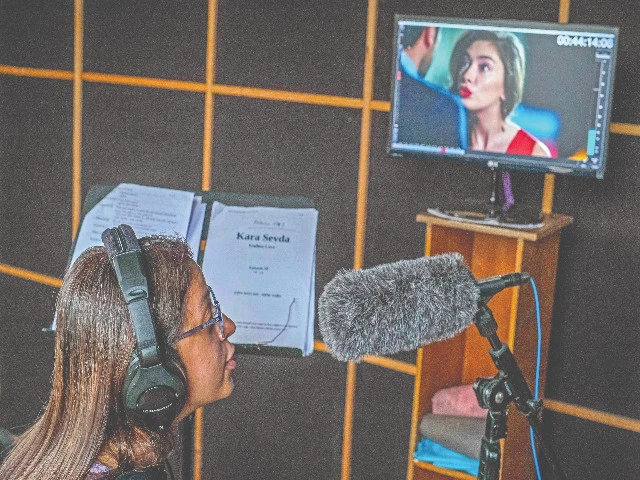
One of the most striking examples is the rising popularity of Kara Sevda (Endless Love), which has been carefully adapted for Bangladeshi audiences through local dubbing studios. Voice artists in Dhaka say they’ve seen an uptick in demand as more Turkish titles enter the market.
The trend also mirrors a deeper cultural connection. As Turkey and Bangladesh strengthen ties in trade, diplomacy and people-to-people exchanges, entertainment has become an unexpected bridge between the two nations. Turkish cultural influence—once mainly visible through food, fashion and tourism—has now reached the Bangladeshi living room.
But the growing appetite for Turkish content presents a mixed picture for local producers. On one hand, acquiring foreign dramas at competitive rates gives TV networks steady viewership and advertising revenue. On the other, domestic studios now face tougher competition, pushing them to raise storytelling standards and production values.
Industry observers believe the shift could be healthy in the long run. Exposure to international formats often elevates audience expectations, encouraging local creators to innovate rather than rely on repetitive, low-budget formulas.
Bangladesh’s screens may be changing, but viewers are embracing the change willingly. Turkish dramas have tapped into a cultural sweet spot—familiar enough to feel relatable, yet different enough to feel exciting. And as more titles find eager audiences, this trend shows no sign of slowing.