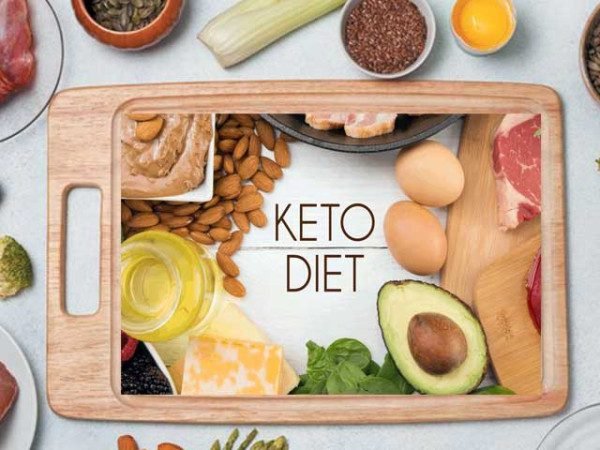
A new scientific study regarding the keto diet, which has become popular for rapid weight loss, has highlighted alarming aspects.
According to experts, a diet high in fat and extremely low in carbohydrates may increase the risk of liver cancer in the long term, and this process develops gradually in humans over nearly twenty years.
Supporters of the keto diet claim that it helps reduce weight without hunger, however, recent research by American scientists indicates that continuous consumption of a high fat diet fundamentally alters the structure and behavior of liver cells.
The study found that when the liver repeatedly faces fat related stress, its cells shift into a more primitive or immature state. While this temporarily helps the cells survive, it increases the chances of diseases, especially cancer, in the future.
According to experts involved in the research, this change is essentially a compromise in which the cell prioritizes its survival, but the overall functioning of the liver system is affected. During this process, genes that help keep cells alive become active, while genes necessary for the normal functions of the liver are suppressed. This imbalance later increases the risk of cancer.
The research was published in the renowned scientific journal Cell, in which mice were fed a high fat diet over a long period. The results showed that by the end of the study, nearly all the mice had developed liver cancer. Scientists say that if harmful genetic changes later occur in such altered cells, the likelihood of them turning into cancer increases significantly.
Experts also reviewed data from patients with various liver diseases in humans, where a similar trend emerged. Genes related to normal liver functions weakened over time, while genes linked to cell survival became stronger. In such patients, life expectancy in cases of cancer was found to be relatively shorter.
Scientists say that although this process was completed within one year in mice, in humans this change usually occurs over a period of twenty years. However, lifestyle factors such as alcohol consumption, viral infections, and overall health can shorten or lengthen this period, as all these factors push liver cells further toward an immature state.
The research team is now examining whether this damage can be reversed through a healthy and balanced diet or through the use of modern weight loss medications, such as GLP 1 injections. Experts say that liver disease is no longer limited to older individuals or heavy drinkers, but is rapidly increasing among young people as well, and many remain unaware because the symptoms are not obvious.
Health experts are emphasizing that before adopting any diet for weight loss, its long term effects must be carefully considered, as short term benefits may prove costly in the form of serious diseases in the future.