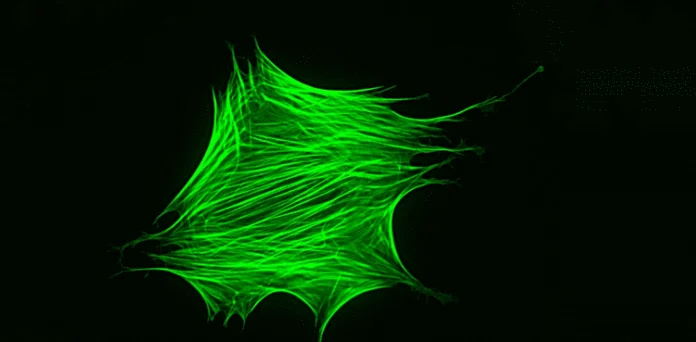
Stem cell research in Pakistan has opened new doors of possibilities in the medical field, reshaping the future of healthcare.
According to details, advanced stem cell and regenerative medicine research is creating new hope for patients and opening new pathways for medical innovation in Pakistan.
Researchers and clinicians at Aga Khan University are working to take the health sector beyond disease treatment by focusing on improving quality of life and restoring health.
Stem cell research is the foundation of regenerative medicine, which focuses on repairing and replacing damaged or affected tissues rather than merely treating symptoms. Globally, this approach concentrates on the treatment of complex diseases and long-term recovery outcomes, particularly for individuals suffering from chronic or life-threatening conditions where existing treatments prove limited.
Professor and Director, Center for Regenerative Medicine at Aga Khan University, Syed Aatir Inam, said that their focus is on research that has a real impact on patients’ lives, aligns with global scientific advancements, and takes regional health priorities into account. He said their objective is to generate knowledge that can improve medical treatment in Pakistan in the future.
There are challenges to stem cell research in low resource countries, including limited resources, lack of research infrastructure, and the need for long-term investment. However, Aga Khan University is overcoming these barriers through capacity building, interdisciplinary collaboration, researcher training, and partnerships that strengthen local expertise.
Assistant Professor, Center for Regenerative Medicine at Aga Khan University, Dr Azhar Hussain, said that continuous collaboration and investment are essential for research. He added that scientific breakthroughs do not happen overnight, and through investment in people, systems, and ethical research practices, lasting impact can be achieved.
Under its long term vision for regenerative medicine, Aga Khan University aims to establish sustainable research capacity, contribute to global scientific progress, and support the gradual development of life-changing therapeutic pathways that are safe, equitable, and aligned with Pakistan’s healthcare needs.