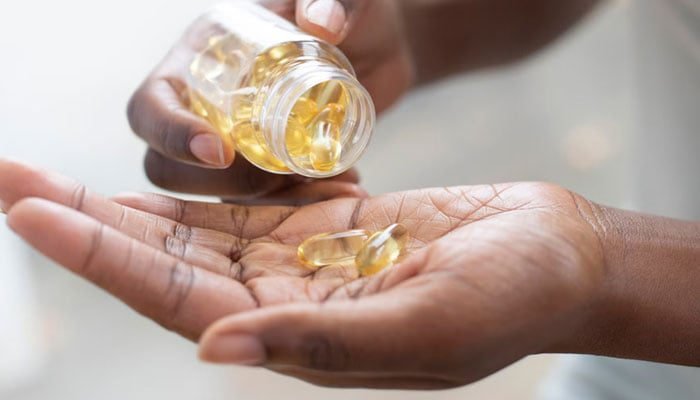
Glutathione is a natural substance made in the body from three amino acids: glycine, cysteine, and glutamic acid.
It is produced in the liver and plays a role in tissue repair, the production of chemicals and proteins, and the functioning of the immune system.
According to medical experts, people use glutathione to reduce the effects of aging, improve skin clarity and glow, and for issues including liver and heart diseases. However, there is no clear scientific evidence proving its effectiveness for these purposes.
Where has a possible benefit been proven?
According to researchers, glutathione may only be beneficial in a specific case.
Experts say that when given through injection (IV), it may help reduce nerve damage caused by the cancer drug cisplatin in some patients. This method is only possible under medical supervision.
Side effects and precautions:
Glutathione in supplement form is considered possibly safe when taken in a dose of 500 mg daily for up to two months, but information on its side effects is limited.
Use through inhalation is also considered possibly safe, but complete research is not available. Applying it directly to the skin may cause itching or allergies in some individuals.
Who should be cautious?
Pregnant or breastfeeding women should avoid its use due to insufficient safety information.
Asthma patients should not use glutathione through inhalation, as it may worsen symptoms.
Glutathione shots or drinks may also cause a sudden drop in blood pressure, so caution is necessary.
Dosage and intake:
Medical experts say there is no reliable scientific guidance on the appropriate dosage of glutathione. Natural supplements are not always safe, so it is important to consult a doctor before use.
Experts say that despite major health claims, strong scientific evidence supporting the benefits of glutathione is limited, and therefore they advise caution in using it without medical consultation.