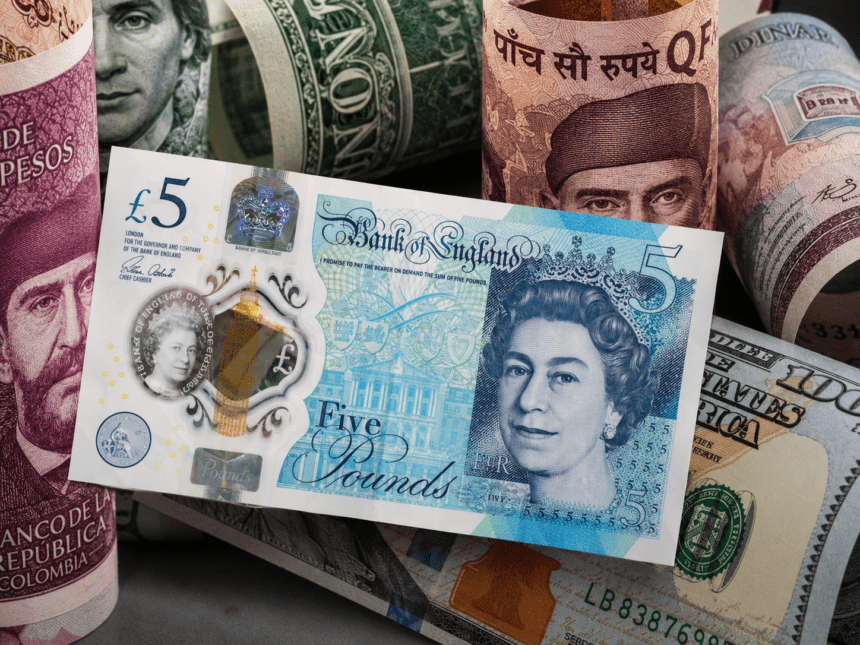
KARACHI: The British pound remained expensive against the Pakistani rupee on Wednesday, May 20, 2026, with currency market listings showing the GBP interbank buying rate at Rs373.58 and selling rate at Rs374.25. In the open market, the pound was quoted at around Rs373.10 for buying and Rs378.60 for selling, reflecting the continued premium usually seen outside the banking channel.
The latest rates suggest the pound is still trading at a strong level in Pakistan’s currency market, a development closely watched by importers, overseas workers’ families, students paying fees abroad, and travellers planning UK-bound expenses. Even a small move in sterling tends to have a visible impact because of education, remittance and travel-related demand tied to the UK.
Exchange rate movements between the pound and rupee are generally shaped by a mix of factors, including international demand for sterling, the rupee’s position against major currencies, import payment pressure, and broader sentiment in Pakistan’s foreign exchange market. Traders also keep an eye on central bank signals, inflation expectations and global dollar trends, all of which can indirectly affect how the pound is priced locally.
For ordinary consumers, the difference between interbank and open-market rates matters quite a bit. The interbank rate is mainly used for bank-to-bank and large institutional transactions, while the open market is more relevant for retail buyers and sellers of foreign currency. That gap means people actually purchasing pounds for travel or personal use may end up paying noticeably more than the headline interbank rate suggests.
With sterling staying near the Rs374 to Rs379 range depending on the market, analysts say the rupee’s near-term direction will remain important for anyone tracking foreign currency costs. For now, the pound is still on the higher side, and unless there is a meaningful shift in local or global currency sentiment, pressure on retail buyers may persist.