WASHINGTON/TEHRAN — The United States and Iran appear to be closer than at any point in months to a deal that could halt a war that has pulled much of the Middle East into crisis, shaken Gulf economies and sent repeated shocks through the global oil market.
But close doesn’t mean done.
President Donald Trump said the framework of an agreement had been “largely negotiated,” with final details still being discussed. A day later, though, he struck a more cautious note, saying he had told US negotiators not to rush and that the American blockade linked to the Strait of Hormuz would remain until any agreement was formally reached, certified and signed.
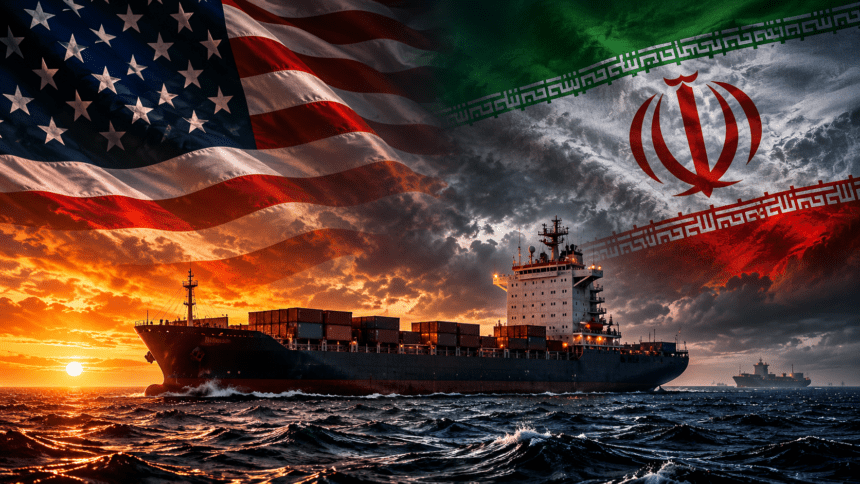
At the center of the emerging deal is the Strait of Hormuz, the narrow waterway that became the economic nerve point of the conflict. Iran’s restrictions on shipping through the strait, followed by US pressure on Iranian ports, helped trigger one of the most severe energy disruptions in years. The proposed arrangement, reported by Reuters citing Axios, would extend a ceasefire for 60 days, reopen the strait, allow Iran to sell oil without restrictions, and require Tehran to clear mines from the passage. In return, Washington would lift some port-related restrictions and offer sanctions waivers.
The deal would also try to tackle the more dangerous, long-running dispute: Iran’s nuclear programme. According to AP, the draft under discussion includes steps for Iran’s highly enriched uranium stockpile, potentially through dilution or transfer to a third country. Iran, however, has not publicly agreed to hand over that material, and Iranian sources have pushed back against claims that Tehran has already made firm concessions on the issue.
That gap is why officials on all sides are choosing their words carefully. US officials are talking about progress. Iran is talking about conditions. Regional governments are talking about relief, but not celebration — not yet.
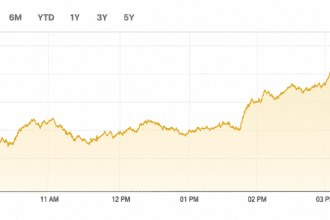
The stakes are hard to overstate. The war, which erupted after US-Israeli strikes on Iran earlier this year, quickly widened into a regional confrontation involving shipping lanes, energy infrastructure and Iranian-aligned groups. A fragile ceasefire has held in parts, but the threat of renewed attacks has kept oil traders, Gulf governments and Asian importers on edge. Reuters reported that oil prices have swung sharply as investors tried to read whether diplomacy was really moving forward or simply being used to buy time.
Markets reacted almost immediately to the latest optimism. Gulf stock exchanges rose on expectations that a US-Iran peace deal could cool the region’s biggest security crisis and reopen normal shipping through Hormuz. Qatar’s main index jumped 3.2%, while Bahrain, Kuwait and Egypt also posted gains.
Pakistan, Qatar and other regional players have been working behind the scenes to keep the talks alive. The Guardian reported that Trump credited diplomatic engagement with Middle Eastern leaders and Pakistan, while Reuters separately noted Qatari efforts to help secure a deal.
Still, the toughest issues remain exactly where they were: who controls the practical reopening of Hormuz, how quickly sanctions relief begins, what happens to frozen Iranian assets, and whether Iran’s nuclear commitments are written tightly enough to satisfy Washington and Israel.
For Tehran, reopening the strait without looking like it surrendered under pressure is politically sensitive. For Washington, easing sanctions before nuclear steps are verified carries its own risks. And for Israel, any agreement that leaves Iran with nuclear capacity or strengthens Hezbollah-linked actors in Lebanon will be viewed with deep suspicion.
That makes the current moment both promising and fragile. A deal could bring oil flows back toward normal, calm Gulf markets and pause a conflict that has already spilled across borders. But one badly worded clause — or one strike on a ship, base or proxy position — could unravel the whole thing.
For now, the message from Washington is cautious optimism. The message from Tehran is guarded silence. And the oil market, as usual, is listening to both.