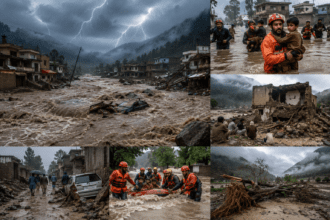
Climate risks are no longer distant possibilities they are real time threats to global supply chains. A new report by Proxima emphasizes that businesses must urgently address climate vulnerabilities to secure both commercial success and operational resilience.
Proxima’s Global Sourcing Risk Index, developed in partnership with Oxford Economics, highlights countries that are highly vulnerable to climate-driven disruptions in international trade. Among the most at-risk nations are the Philippines, Indonesia, India, Colombia, and Mexico, where extreme weather events are becoming more frequent and severe.
The index ranks countries by their susceptibility to supply chain interruptions due to climate anomalies and weather extremes. Drawing on global data and sector-specific sourcing patterns, the report stresses the importance of Chief Procurement Officers reassessing their sourcing strategies and location decisions in light of growing climate volatility.
Top 5 Climate Risk Hotspots for Global Trade
- Philippines: Frequently hit by super typhoons and heavy floods, this island nation faces increasing risks to its food and beverage exports like coconut oil. Its BPO (Business Process Outsourcing) sector is also threatened by infrastructure vulnerabilities such as power outages and transport disruptions.
- Indonesia: As the world’s largest palm oil exporter, Indonesia’s manufacturing zones for textiles, footwear, and consumer goods are highly exposed to floods and droughts, placing global supply chains at risk.
- India: With 27 out of 29 states regularly facing natural disasters cyclones, floods, earthquakes, and landslides India’s agriculture and BPO sectors are under persistent threat, resulting in crop failures and service interruptions.
- Colombia: Located in the Andean seismic belt, Colombia suffers from frequent earthquakes, landslides, and flooding. Key industries like agriculture and mining are disrupted due to limited infrastructure and weather instability.
- Mexico: Though prone to hurricanes, droughts, and inland flooding, Mexico stands out for its adaptive capacity and infrastructure strength, making it a vital player in nearshoring and manufacturing resilience strategies.
Why Climate Risks Matter Now More Than Ever
According to Simon Geale, Executive Vice President at Proxima:
“Our report shows how weather and climate are directly tied to global trade dynamics. For sourcing professionals, climate risk isn’t a future issue—it’s a current crisis. Ignoring it is no longer an option.”
Geale emphasized the urgent need for companies to go beyond traditional risk planning. Businesses must integrate climate risk forecasting, geographic supply diversification, and scenario modeling into their sourcing strategies to survive in today’s unpredictable environment.
Strategic actions such as holding backup inventory, using AI-powered forecasting tools, and investing in location resilience are now essential not optional. This kind of forward-thinking planning is key to building long-term operational advantages.
Even Major Economies Are at Risk
The report also ranks the United States (7th), Australia (9th), and China (10th) as significantly exposed to climate-related supply chain risks. These nations’ vast geographic scale and industrial dependence mean that climate disruptions can send shockwaves throughout global trade systems.
Although Europe generally benefits from more stable climate conditions, it too is seeing rising pressures from extreme weather events and shifting regulatory landscapes. Companies in the region must now increase redundancy in their sourcing strategies and strengthen their operational flexibility.
Industry Sectors Facing the Heat
Sectors such as food and beverage, construction, and retail are particularly exposed to acute climate risks. Many industries are now shifting away from the lean “just-in-time” supply model to a more robust “just-in-case” approach.
This strategic shift prioritizes diversification, resilience, and sustainability in order to ensure business continuity and reduce climate-related vulnerabilities.
Proxima’s report serves as a wake-up call for global supply chain leaders. As climate change continues to reshape the business landscape, companies must proactively adapt to build resilience, maintain continuity, and secure a competitive edge in an increasingly unstable world.