
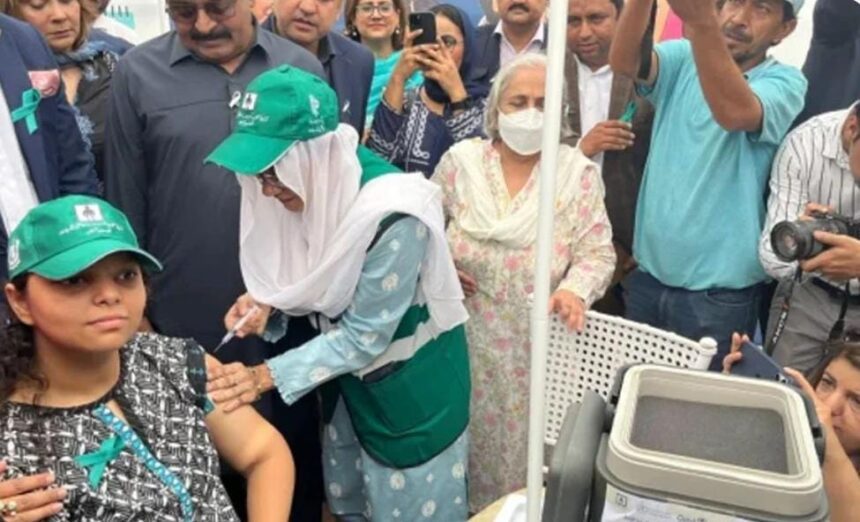
The government of Pakistan has officially launched the HPV vaccination campaign in Islamabad, where a schoolgirl received the country’s first cervical cancer vaccine.
The initiative aims to protect young girls against cervical cancer, one of the leading causes of cancer deaths among women worldwide.
What is cervical cancer?
Cervical cancer develops in the cells of the cervix, the lower part of the uterus that connects to the vagina. In most cases, it is caused by persistent infection with high-risk types of Human Papillomavirus (HPV).
This cancer is often slow-growing, but if left undetected, it can spread to other parts of the body. Common symptoms include abnormal bleeding, pelvic pain, or pain during intercourse. However, in many cases, symptoms may not appear until the disease is advanced, making prevention critical.
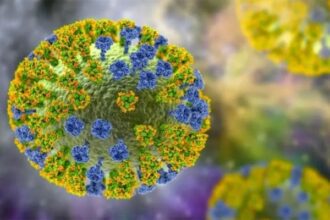
Human Papillomavirus (HPV) is one of the most common sexually transmitted infections. While most HPV infections clear up on their own, some strains can cause cervical cancer. According to global health experts, HPV is responsible for nearly all cases of cervical cancer.
The virus spreads through intimate skin-to-skin contact. Since it can remain undetected for years, vaccination and regular screening are vital preventive measures.
What is HPV vaccine?
The HPV vaccine is designed to protect against the most dangerous types of the virus that cause cervical cancer. By building immunity before exposure, it drastically reduces the risk of developing cancer later in life.
Health experts recommend that girls receive the vaccine between the ages of 9 and 14, as it provides the best protection before the onset of sexual activity. Pakistan’s new campaign follows these global guidelines, focusing on school-going girls to ensure wide coverage.
Why launch in Pakistan matters
The introduction of the HPV vaccine in Pakistan marks a significant step toward women’s health and cancer prevention. Cervical cancer remains a silent killer in many developing countries due to limited awareness, delayed diagnoses, and lack of preventive measures.
By launching this campaign in Islamabad’s government schools, the government has not only taken a medical initiative but also set a precedent for expanding the program across the country.