

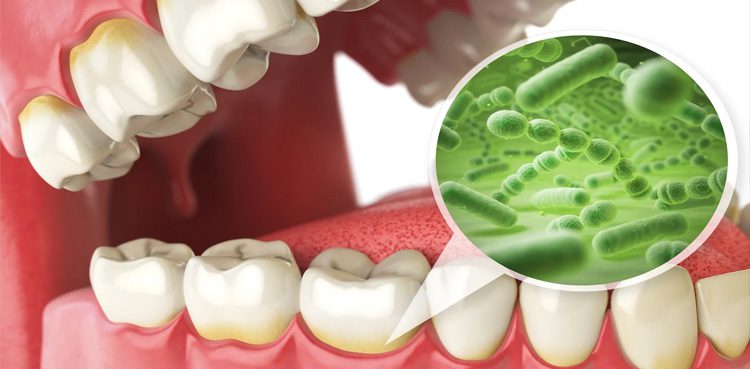
Japanese researchers have revealed in a new study that mouth bacteria, especially those linked to gum disease, can further increase the severity of illness.
Multiple sclerosis is a chronic neurological disorder in which the body’s immune system attacks the protective covering of nerve cells. As a result, communication between the brain and the body is affected, causing patients to experience muscle weakness, difficulty walking, balance problems, and vision issues.
During the study, experts collected samples from the tongues of MS patients and conducted a detailed analysis of the bacteria present. The results showed that patients who had higher levels of a bacterium called Fusobacterium nucleatum in their mouths had relatively more severe symptoms of the disease.
According to researchers, these patients also had other harmful bacteria in their mouths, however this link was specifically observed in multiple sclerosis patients, while similar effects were not prominent in other diseases of this nature.
Experts say that gum disease is a long-term infection that affects nearly half of the world’s population. It not only causes tooth loss but also increases the risk of heart disease, diabetes, and joint disorders.
The study makes it clear that oral hygiene and gum health are not limited to teeth alone but can also influence the severity of neurological diseases, highlighting the importance of preventive care for overall health.