
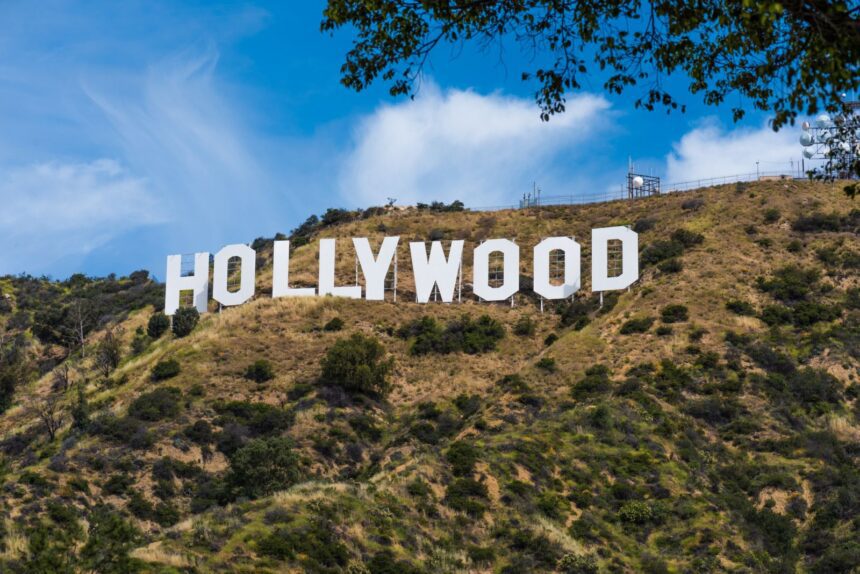
Hollywood is facing one of its most polarizing debates in years. More than 4,000 film professionals, including Oscar-winning actors and acclaimed directors, have signed on to a pledge vowing to boycott Israeli film institutions. The move has sparked fierce arguments across the global entertainment industry, with some hailing it as a stand for justice and others warning it could silence creative voices instead of fostering dialogue.
The pledge, organized by the activist network Film Workers for Palestine, calls on signatories to avoid any collaboration with Israeli festivals, production companies, and film institutions that they say are complicit in “genocide and apartheid.” The group points to the cultural boycotts of apartheid South Africa as inspiration, arguing that film, as a powerful global medium, should not be used to whitewash human rights abuses.
Names attached to the pledge include Emma Stone, Olivia Colman, Mark Ruffalo, Ava DuVernay, Javier Bardem, Tilda Swinton, Ayo Edebiri and hundreds of others — from writers and producers to festival curators. Supporters stress that the boycott is aimed at institutions, not individuals, and say it’s an ethical stance rather than an attack on Israeli filmmakers as people.
But not everyone sees it that way. The backlash has been swift. Paramount Pictures issued a public statement rejecting the pledge, arguing that “silencing artists on the basis of nationality does not promote peace or understanding.” Israeli filmmakers and industry leaders have also condemned the boycott, warning that it could cut off dissenting voices within Israel itself — people who may actually be critical of their government’s policies but still need platforms to share their stories.
A counter-letter, reportedly signed by more than 1,200 entertainment professionals, has circulated in Hollywood, rejecting the idea of boycotts altogether. Critics say the movement risks oversimplifying a complex situation and that targeting institutions doesn’t necessarily pressure the Israeli government but instead hurts independent filmmakers who may have little connection to state policy.
The split highlights a larger question about the role of cultural diplomacy in conflict zones. For decades, film festivals and co-productions have been seen as bridges between divided communities. Now, many in the industry are wondering whether those bridges are being burned.
For supporters of the boycott, however, that’s the point. They argue that without meaningful pressure, the status quo will never change. “Just like the world stood up against apartheid South Africa, we believe cinema has a responsibility to stand against oppression today,” reads the Film Workers for Palestine statement.
Whether this boycott grows into a long-term campaign or fizzles out under industry pressure remains to be seen. What’s clear is that Hollywood is no longer speaking with one voice on the issue — and the fault lines run deep.