
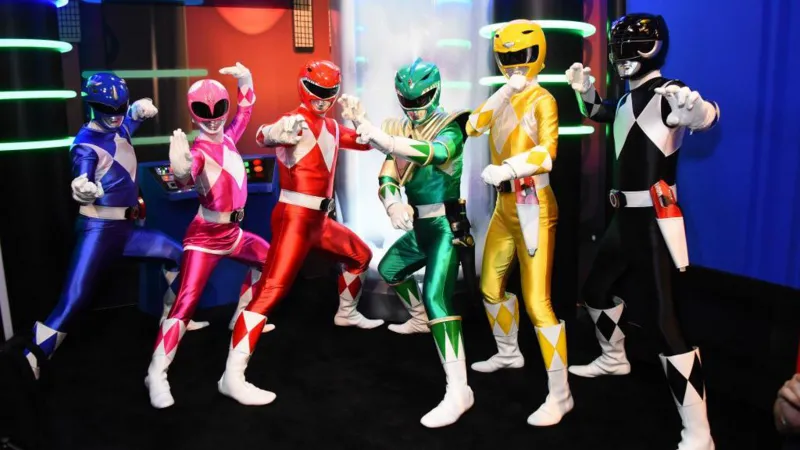
After half a century of colorful heroes, giant robots, and unforgettable battle cries, Japan’s legendary Super Sentai series may finally be coming to an end — at least according to several Japanese media reports.
The franchise, which began in 1975 with Himitsu Sentai Gorenger, has aired new seasons almost every single year, inspiring generations of fans and spawning the globally popular Power Rangers adaptation in the West. But recent reports suggest that Toei Company, the studio behind the show, could be bringing the long-running saga to a close following its current season, No.1 Sentai Gozyuger.
While Toei hasn’t made an official statement yet, sources close to the production have cited rising production costs, declining toy and merchandise sales, and shifts in audience demographics as major reasons behind the possible conclusion. The show’s traditional Saturday morning time slot has also struggled to attract younger viewers in recent years, as streaming platforms and new media formats take over.
If confirmed, this would mark the end of an era — a 50-year run that helped define Japan’s tokusatsu (special-effects superhero) genre. For fans, Super Sentai was more than a TV show; it was a cultural ritual. Each year brought a new team, new powers, and new lessons about teamwork and courage.
“I grew up watching Sentai with my dad — it’s been a part of my life for as long as I can remember,” one fan wrote on X (formerly Twitter). “If this is really the end, it’s like saying goodbye to a piece of childhood.”
Industry analysts believe Toei may be planning a major send-off, possibly in the form of a grand crossover special or movie to celebrate the franchise’s 50-year legacy. Others speculate that the company could be preparing a reboot rather than a full stop — modernizing the concept for today’s audiences while preserving its core spirit.
Until official confirmation arrives, fans remain cautiously hopeful. But one thing’s certain: whether it ends now or evolves into something new, Super Sentai’s legacy will live on in pop culture forever — from Japan’s morning TV screens to Hollywood’s superhero blockbusters.