
Changes in the body with age are a natural process, but if certain symptoms are becoming more noticeable or are being felt frequently, it may indicate that you are suffering from or are about to develop a disease.
Some illnesses show symptoms before developing, while others act like silent killers, gradually and quietly affecting the body until it is too late.
One such disease is diabetes, often called a “silent” disease because it develops slowly within the body, and its symptoms are so mild that many people remain unaware of it.
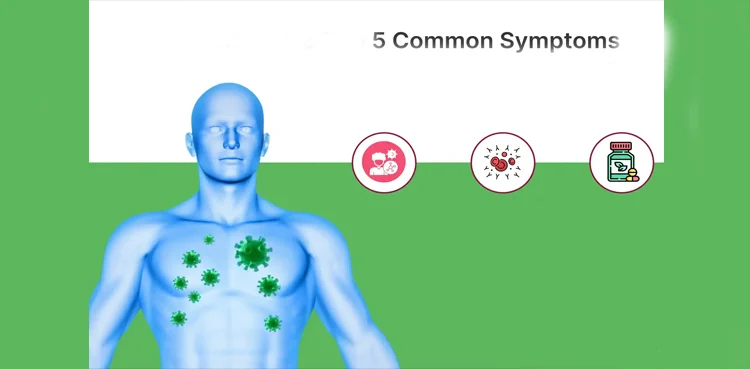
Diabetes is commonly thought of as a condition with clear and traditional symptoms such as excessive thirst or frequent urination. However, the reality is that it also has some unusual and silent symptoms that are often ignored, even though these early signs can help prevent serious complications in the future.
1: Persistent itching
Among these unusual symptoms, persistent itching is one of the most common, especially in sensitive areas of the body. High blood sugar increases the risk of fungal infections, leading to itching, irritation, and recurring infections.
2: Skin changes
Unexplained changes in the skin are also an important sign, such as dark patches on the neck or underarms, dry or rough skin, or slow healing of wounds. These may indicate poor blood circulation caused by high sugar levels.
3: Weight loss
Sudden weight loss or gain can also be concerning. When the body cannot use glucose effectively, it begins to break down fat and muscle for energy, resulting in weight loss.
4: Vision problems
On the other hand, insulin resistance can lead to weight gain. Blurred vision or difficulty focusing may also be a sign of diabetes, as changes in blood sugar levels affect the eye’s lens.
5: Tingling in hands and feet
Tingling or numbness in the hands and feet is another important sign, indicating possible nerve damage. If these symptoms persist, a doctor should be consulted immediately.
With timely diagnosis and proper treatment, diabetes can not only be controlled but its complications can also be prevented.
Precaution and treatment:
If the disease is detected early, preventive measures can be taken or it can be managed effectively. Immediate treatment of diabetes can help prevent complications such as heart disease, kidney damage, vision loss, and nerve damage.
Adopting healthy habits can reduce your risk. Maintain a balanced diet with low sugar and refined carbohydrates, exercise regularly aiming for at least 30 minutes of physical activity on most days, maintain a healthy weight, avoid alcohol, completely quit smoking, and undergo regular medical check ups.