

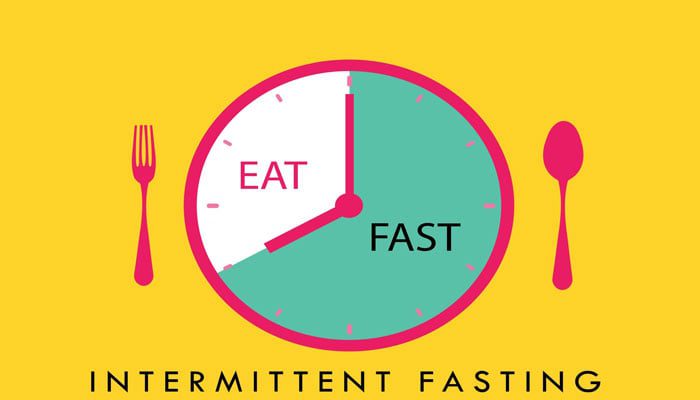
A recent study has revealed that intermittent fasting has no negative impact on the cognitive abilities of adults. In fact, decision making, memory, and problem solving skills remain unaffected.
The research, published in Psychological Bulletin, analyzed 71 previous studies involving around 3,500 participants.
According to Associate Professor David Moreau, a psychologist at the University of Auckland, the main finding was that there is no consistent evidence of reduced mental performance due to short term fasting.
He stated that people who fast perform almost the same as those who have eaten recently, indicating that mental abilities remain stable even without food.
The study found that fasting for up to 12 hours has no negative impact on brain function, while fasting for more than 12 hours showed a slight decline in performance.
Moreover, the effects of fasting were found to be more significant in children, suggesting that younger individuals require regular meals for proper functioning.
Professor Moreau added that children need special attention during brain development, which means fasting can affect them differently.
Experts concluded that the results support the idea that intermittent fasting is safe for healthy adults.
According to the research, during short term fasting, the mental performance of adults remains stable, so they do not need to worry about temporary hunger or cognitive weakness during fasting.