
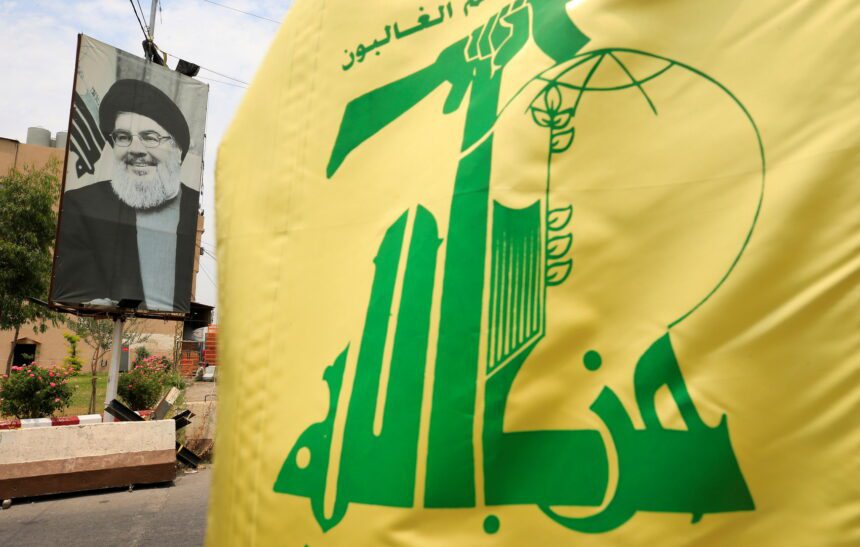
TEHRAN: Iran has reaffirmed its strong support for Lebanon’s Hezbollah, even as the group faces growing calls from the United States and Israel to lay down its arms. A senior adviser to Iran’s supreme leader said Tehran would continue to stand firmly with Hezbollah in its confrontation with Israel.
Ali Akbar Velayati, a former Iranian foreign minister and a close aide to Supreme Leader Ayatollah Ali Khamenei, made the remarks on Sunday during a meeting with Hezbollah’s representative in Tehran. He described Hezbollah as a key force in what Iran calls the “resistance front” against Israel.
According to Iran’s state news agency IRNA, Velayati said Hezbollah plays a central role in opposing what he referred to as Zionism. He added that Iran, under the guidance of its supreme leader, would “resolutely support” the group and praised its fighters for what he called their sacrifices on the front lines.
His comments come at a sensitive time for Lebanon. The country is under international pressure, particularly from Washington and Tel Aviv, to disarm Hezbollah. The issue has gained urgency after more than a year of cross-border tensions between Hezbollah and Israel following the outbreak of the Gaza war.
Iran has long backed a regional alliance it calls the “axis of resistance,” which includes Hezbollah in Lebanon, Hamas in Gaza, and the Houthi movement in Yemen. Tehran sees these groups as part of a broader strategy to counter Israeli influence in the Middle East.
Lebanon, meanwhile, has pledged to begin disarming Hezbollah, starting in the south of the country where the group has traditionally maintained strong control. This commitment remains a major point of debate inside the country.
Velayati’s recent statements have also stirred anger in Beirut. In late November, he said Hezbollah’s existence was “more essential for Lebanon than daily bread,” a comment that drew sharp criticism from Lebanese officials.
Lebanese Foreign Minister Youssef Raggi responded publicly, saying that what matters most to Lebanon is not bread or water, but national sovereignty, freedom, and the right to make independent decisions without foreign influence.
The exchange highlights the deep divide between Iran’s regional ambitions and Lebanon’s internal struggle to balance security, sovereignty, and political stability.