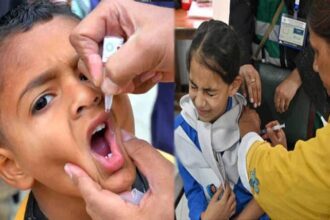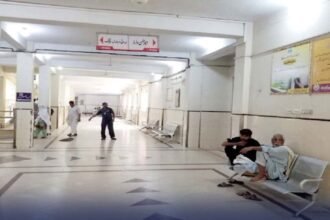


Sindh has reported its first death due to rabies this year. The rising attacks by stray dogs are becoming a serious threat to citizens, while according to statistics, thousands of people have already fallen victim to dog bites at major hospitals in the city during the very first month of the year.
Medical experts are warning that the year on year increase in dog bite cases is putting additional pressure on the health system and budget.
According to details, Sindh has recorded its first rabies related death this year. An eight year old girl from Jhol city in Sanghar district was bitten by a stray dog one and a half months ago.
Due to the lack of timely and complete treatment at various government hospitals, the child developed dangerous symptoms such as fear of water and air. She was later shifted to Indus Hospital in Korangi, where she passed away yesterday.
A worrying increase in dog bite cases is being observed at different hospitals in Karachi. Indus Hospital has reported 1,500 cases, Jinnah Hospital 800, Civil Hospital more than 400, Qatar Hospital more than 500, Sindh Government Liaquatabad Hospital 128, Liaquat National Hospital 10, and Sindh Government New Karachi Hospital 50 cases.
Overall, the total number of dog bite cases has exceeded 3,438. Last year, 20 deaths due to rabies were reported at two major government hospitals in Karachi.
According to Sindh Government Qatar Hospital Medical Superintendent Dr Rashid Khanzada, two types of patients visit the rabies prevention clinic daily, including new and follow up cases.
A total of more than 100 registrations are recorded daily, including 30 to 40 new cases. So far this year, 1,610 patients have been reported at the hospital, out of which 568 were new cases.
Sharing rabies related statistics, Dr Rashid Khanzada said that 7,903 doses of anti-rabies vaccine were administered in the fiscal year 2023, which increased to 12,709 in fiscal year 2024, and reached 17,157 doses in fiscal year 2025.
In the first six months of fiscal year 2026 alone, 8,809 doses have already been administered, which is expected to reach between 17,000 and 18,000 by the end of the year.
He stated that the cost of one dose of anti-rabies vaccine ranges between Rs1,200 and Rs1,800. In addition, painkillers, antibiotics, bandages, and ADS injections also need to be provided.
In fiscal year 2025 alone, Rs25.7 million were spent on anti-rabies vaccines, which is an additional burden on the health budget.
If this is the situation of just one hospital, it can be estimated how high these expenses would be across hospitals in Sindh, even though this amount should have been spent on other routine patients.
Dr Rashid Khanzada said that dog bite cases are increasing every year. If rabies is to be controlled, the stray dog population must be reduced and relevant institutions must take effective measures, otherwise valuable lives will continue to be lost.
He added that in any country of the world, no patient has survived once rabies symptoms appear.
Raising public awareness, he advised that immediately after a dog bite, the wound should be thoroughly washed with soap and clean water for 15 to 20 minutes and then sterilized.
He advised against stitching the wound or applying dressings that trap germs inside instead of allowing them to exit, as this can help the infection reach the brain. After washing the wound, immediate medical consultation is essential.
He explained that there are two vaccine options. If it is confirmed that the dog was rabid, immunoglobulin is injected around the wound, half of which is also administered in the patient’s arm, along with another anti rabies vaccine.
The vaccine starts taking effect after 14 days, while immunoglobulin provides immediate antibodies that act like an army against the rabies virus.
The closer a wound is to the brain, the more serious treatment it requires. Children are often bitten on the face, which increases the risk of the virus reaching the brain.
Symptoms of rabies include high fever, nausea, vomiting, drowsiness, and fear of water and air. The suffering of the affected person increases to the extent that water gets stuck in the throat.
He further said that in interior Sindh, some uneducated people apply chilies to the wound or tie coins after dog bites. Such remedies and home treatments are extremely dangerous. Public awareness about rabies is essential to eliminate these practices.
On the other hand, citizens say that the number of stray dogs in neighborhoods has increased to an alarming level, but the concerned authorities are reluctant to take effective action.
According to residents, dogs are often left in remote areas, but they eventually return to populated neighborhoods.