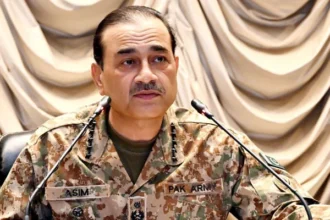


ISLAMABAD: Pakistan Tehreek-e-Insaf (PTI) has deleted a video from a protest in Bradford, England, after Pakistan formally raised concerns with British authorities over remarks in the clip that officials say amounted to incitement to violence against the country’s army chief.
The move came a day after Pakistan’s Foreign Office summoned the acting British high commissioner in Islamabad and handed over a demarche, urging the UK to investigate what it described as “incitement to violence” originating from British soil.
In a statement posted on X, PTI’s UK chapter confirmed it had removed the video, which showed a woman speaking at a rally outside the Pakistani consulate in Bradford. The party said her comments about Chief of Army Staff Field Marshal Syed Asim Munir were “metaphorical” and not a direct call for violence, but added the clip was taken down “to avoid any misunderstanding”.
PTI UK stressed that it does not support unlawful activity and appealed to supporters to choose their words carefully, warning that emotional statements at protests can be misinterpreted.
Video sparks diplomatic row
The controversy centres on a short clip uploaded by PTI UK that showed a speaker referring to the army chief in the context of a possible car bomb attack. Pakistani authorities say this crossed the line from political criticism into a suggestion of violence.
Officials say the video and its transcript have been shared with British authorities, along with a formal complaint accusing the speaker and those who amplified the clip of promoting violence and terrorism. While PTI UK has deleted the original post, screenshots and reposted clips continue to circulate online.
Pakistan seeks legal action
The Foreign Office has asked the UK to identify and investigate those responsible and to take action under British law, arguing that calls for violence cannot be protected as free speech. It has also urged action against social media accounts it says are promoting threats against Pakistan’s state institutions.
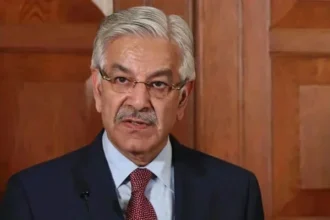
State Minister for Interior Talal Chaudhry said the remarks made at the Bradford rally “crossed all limits” and could not be defended as freedom of expression, calling on British police to open a criminal inquiry.
The UK High Commission responded that if a foreign government believes an offence has been committed, it should share evidence with the appropriate police channels, adding that any content suspected of breaching UK law may be reviewed and investigated.
Protests driven by anger over Imran Khan
The Bradford demonstration was part of a series of rallies held by overseas PTI supporters in solidarity with the party’s jailed founder, Imran Khan. Protesters waved party flags and chanted slogans critical of Pakistan’s military leadership, reflecting deep frustration among PTI supporters over arrests, court cases and political restrictions since the party lost power in 2022.
Some PTI supporters abroad argue that the woman’s remarks were emotional rather than literal, saying they reflected anger and despair rather than an intent to threaten violence.
Wider crackdown on overseas critics
The incident also fits into a broader government push to curb overseas critics of Pakistan’s military and state institutions. Interior Minister Mohsin Naqvi has recently warned that Pakistan would pursue legal and diplomatic avenues against Pakistanis abroad accused of running hostile campaigns, including seeking extraditions where possible.
Earlier this month, Islamabad handed over extradition requests to the UK for individuals it accuses of spreading anti-state propaganda online, signalling a tougher stance toward critics operating from overseas.
A fine line for protest politics
For British authorities, the case highlights the delicate balance between protecting political speech by diaspora communities and acting against speech that may incite violence. UK law allows robust protest and criticism, but explicit threats or glorification of terrorism can trigger criminal action, depending on intent and context.
For PTI, the episode underscores the risks of social media activism built around unfiltered protest footage. As it seeks to mobilise supporters abroad, the party is now under pressure to ensure that anger driven rhetoric does not escalate into language that could invite legal trouble or diplomatic fallout.