

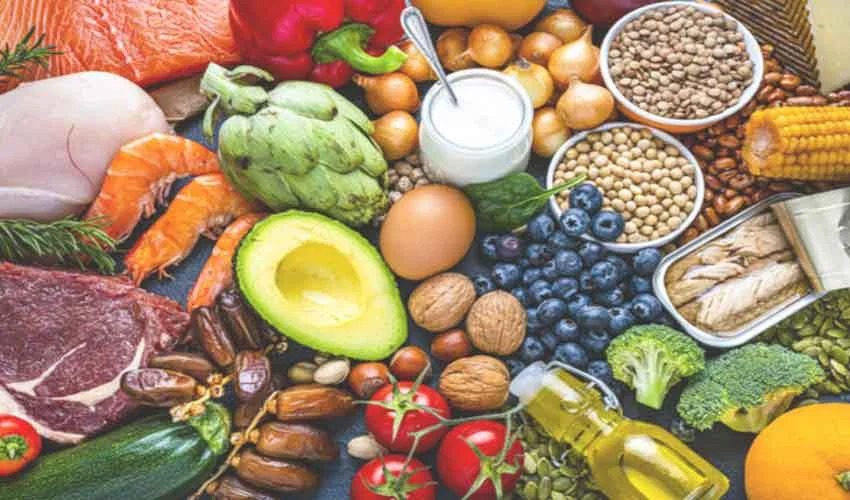
A balanced diet rich in nutrients can support healthy skin. Foods containing omega-3 fatty acids, antioxidants and vitamins – especially vitamin E – may be particularly beneficial.
Research indicates that these and other bioactive compounds in certain foods can improve skin health, while proper hydration is just as essential for the skin as it is for overall well-being.
Although topical products can help manage conditions like acne, diet also plays a direct role in nourishing the skin from within. Below are 11 foods that may promote healthier skin, along with ideas for how to include them in meals.
Fatty fish
Cold-water fish such as salmon, sardines and herring provide abundant omega-3 fatty acids, which may help support skin health. A 2021 review suggests omega-3s could aid certain inflammatory skin conditions – including psoriasis, eczema and sun-related skin damage – and may even offer protective effects against skin cancer. Fatty fish make an excellent addition to lunch or dinner; for instance, salmon salad tacos provide a quick source of healthy fats.
Almonds
Almonds contain unsaturated fats and are particularly high in vitamin E. A 2021 study in postmenopausal adults found that regular almond consumption was linked to reductions in facial wrinkles and pigmentation. Almond-crusted trout is one way to combine the skin-supporting benefits of almonds and fish.
Sunflower seeds
Sunflower seeds supply healthy fats and vitamin E. A 2017 review points to their potential benefits in wound healing and some skin conditions, though further research is needed. They can be eaten as a simple snack or used in recipes like chicken lettuce wraps, especially in the form of sunflower seed butter.
Flaxseeds
Flaxseeds are rich in the omega-3 fatty acid alpha-linolenic acid (ALA). Adding them to your diet may help reduce skin sensitivity, roughness, scaling and moisture loss, and they may also support wound healing. Ground flaxseeds can easily be blended into smoothies, such as a mango–turmeric tonic.
Soybeans
A 2023 review highlights soybeans’ potential to improve hydration, reduce photoaging, lighten hyperpigmentation and support acne and wrinkle reduction. Isoflavones, a type of polyphenol, may be responsible for these effects. Soy is commonly used in dishes like soba stir-fries.
Avocados
Avocados offer healthy fats and vitamin E. A small 2022 study found that daily avocado consumption improved forehead skin firmness, although more research is needed to confirm wider benefits. Avocados are versatile and can be added to meals from breakfast to dinner, such as in an egg-and-bacon breakfast sandwich.
Olive oil
Olive oil is one of the most skin-friendly cooking oils. A 2023 study on skin cells suggests it may support wound healing, though further research is needed. It can be used as a substitute for butter or other fats in everyday cooking.
Green tea
Rich in catechin antioxidants, green tea may help soothe inflammatory skin conditions like eczema and psoriasis. It also shows potential benefits for aging signs, dermatitis, redness, excess oil, sunburn and spider veins, according to a 2024 review. Green tea can be enjoyed as a drink or incorporated into recipes like smoothie bowls.