

WASHINGTON — The United States and China have agreed to extend their tariff truce for another 90 days, avoiding the imposition of triple-digit duties that threatened to severely disrupt bilateral trade.
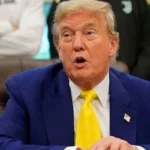
US President Donald Trump announced on Monday via Truth Social that he had signed an executive order delaying higher tariffs on Chinese imports until November 10. China’s Commerce Ministry issued a parallel decision hours later, pausing its own retaliatory tariffs on US goods for the same period.
According to Trump’s order, the United States continues to hold talks with Beijing to address the “lack of trade reciprocity” and broader national and economic security concerns. He noted that China has been taking “significant steps” toward resolving these issues.
The tariff truce, which was set to expire early Tuesday, will now remain in effect during the crucial autumn import season, allowing US retailers to bring in electronics, clothing, and toys for the holiday period at existing rates. Without the extension, US tariffs on Chinese goods were set to rise to 145%, while Chinese duties on US imports were slated to hit 125%. The current rates — 30% for US tariffs on Chinese goods and 10% for Chinese tariffs on US imports — will remain in place.
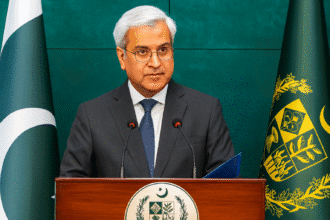
China described the move as an implementation of “important consensus” reached between President Xi Jinping and Trump during a June 5 phone call, saying it would help stabilize the global economy.
The decision follows months of negotiations, including meetings in Geneva in May and Stockholm in July, where US officials recommended extending the deadline. Treasury Secretary Scott Bessent has repeatedly called the spring’s triple-digit tariffs “untenable” and akin to a trade embargo between the world’s two largest economies.
Trade analysts say the extension provides breathing room for both sides to work toward a broader agreement, potentially paving the way for a Xi-Trump meeting later this year.
The US trade deficit with China fell sharply in June to $9.5 billion, the lowest since February 2004, and is down 70% from a year ago after five consecutive months of decline.
Washington is also pressuring Beijing to halt purchases of Russian oil as part of efforts to isolate Moscow over the war in Ukraine, with Trump warning of possible secondary tariffs if China fails to comply.