
Cardiologists say that a heart attack is often imagined as sudden and dramatic, but in reality the body usually starts giving danger signals beforehand.
Indian cardiologist Dr Ravi Prakash says that most patients experience certain symptoms 24 to 48 hours before a major cardiac event, which if recognized in time can save lives. This critical phase is called the prodromal window.
Prodromal window, the body’s early alarm:
According to cardiologists, a heart attack rarely happens completely out of the blue. During this period, blood supply to the heart is already being affected, and if patients seek medical help in time, major damage can be prevented.
Prominent symptoms:
Unusual fatigue: feeling extremely tired after minor work or walking short distances. This is not normal tiredness but occurs due to weak pumping of the heart leading to lack of energy in the body.
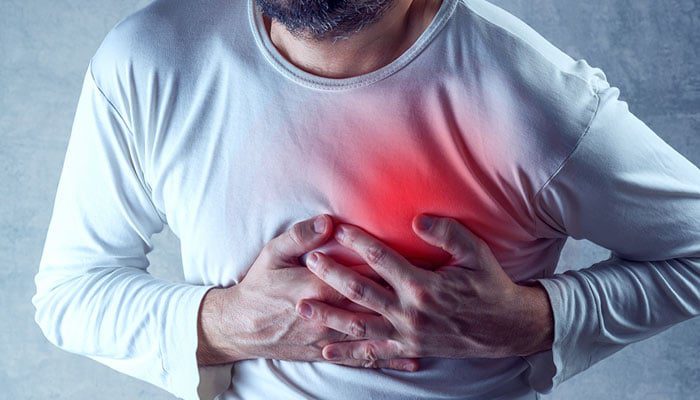
Chest pressure or tightness: this pain is not always sharp, it can feel like pressure, heaviness, tightness, or burning. Often it eases after rest, which people ignore thinking it is gas or muscle pain.
Breathing difficulty: shortness of breath without any physical exertion, even difficulty breathing while lying down.
Pain spreading to other parts: pain spreading to the arms, shoulders, neck, jaw, back, or upper abdomen. These symptoms are especially more common among women, elderly people, and diabetes patients.
Sweating, nausea, and anxiety: cold sweating, dizziness, nausea, slight redness, and unexplained restlessness. Many patients feel that something is not right, this feeling should never be ignored.
Expert advice:
Cardiologists emphasized that if these symptoms appear together, especially in people with diabetes, high blood pressure, or a family history of heart disease, they should immediately consult a doctor.
According to them, wasting time is equivalent to losing heart muscle.