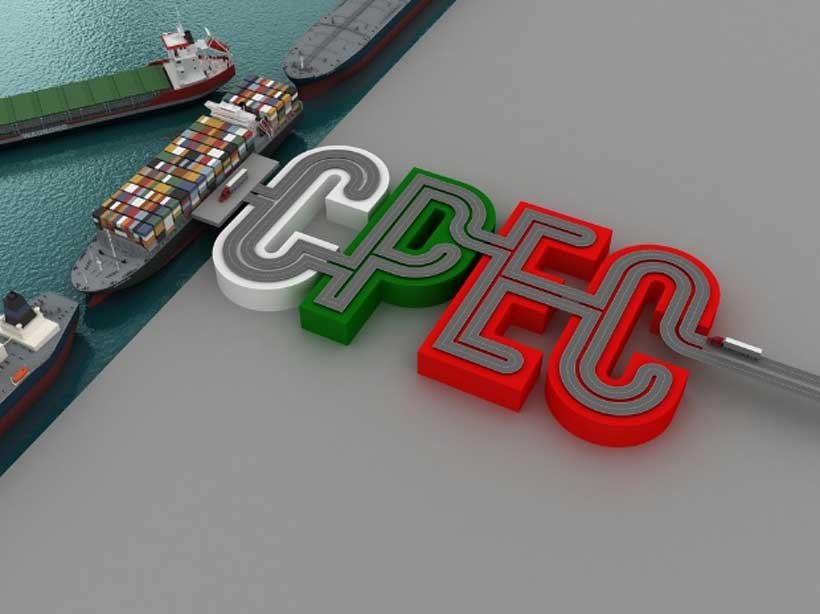
GUANGZHOU: China did not make it this big, an empire of $18.7 trillion, by chance. It was made through hustle, grass-root entrepreneurship and a culture of inexorable opportunity-seeking, all of which Pakistan might acquire as it outgrows the China & Pakistan Economic Corridor (CPEC).
The Chinese commercial ethos flourishes in the markets of densely populated Beijing, as well as in the board rooms of multinational companies, where people negotiate, never give up and believe that even the smallest of deals can make a difference. Even a mere bargaining moment involving a tourist arguing with a handcrafted souvenir is an expression of a greater national attitude: every encounter is an opportunity to develop.
This mind set is fuelled by the distinct manufacturing strength of China. The nation engages in both high-tech inventions such as 5G networks, electric vehicles, and quantum technology as well as low-end products to attract low-end consumer segments. That two-fold ability makes China able to cater to all the consumers whether they are billionaires or students and it drives the trade prospects globally.
The entrepreneur spirit goes abroad. Chinese businesses are keen to attack international markets and transform light meetings into business agreements in a few days. This tenacity is the reflection of the street-market culture at the level of multinational corporations.
This spirit is backed by the policy of regional empowerment by Beijing. Each province makes use of their resources: Guangdong as the factory of the world with the GDP of 2 trillion, Hunan with the agricultural sector, Inner Mongolia with the livestock industry, Guizhou with the technological industry. Every province is left as the driver of its own development, leaving no areas behind.
One of the most important changes has been the economic empowerment of women. Having been left out of the formal economy, most rural women are now operating successful e-commerce operations, marketing local goods within the country and worldwide. Not only have they increased family incomes, but have also revived the rural economies.
The increased personal wealth has also made China a consumer giant with the increased demand on electric vehicles, tourism and intelligent technology. Such a robust local market offers a cushion against the global shock besides allowing the Chinese firms time to experiment and develop new products within the local market before exporting.
As far as Pakistan is concerned, the lesson is obvious. The future of CPEC should not be merely centered on its infrastructure but also on nurturing the same entrepreneurial spirit in the population. Pakistan can also develop competitive industries on its own by investing in provincial strengths Punjab, agriculture; Sindh, ports; Balochistan, minerals, and KP, tourism, as well as through training, credit and support.
Above all, Pakistan needs to embrace the cultural force that propelled China to its rise; glorification of business prowess, women and youth empowerment, and resilience in the wake of the challenge. Capital and policy are important, yet it is collective resolution that will transform.
The success story of China demonstrates that Pakistan might not get as much imported as a good or infrastructure, but just an attitude that sees every opportunity, big, or small as a step forward.