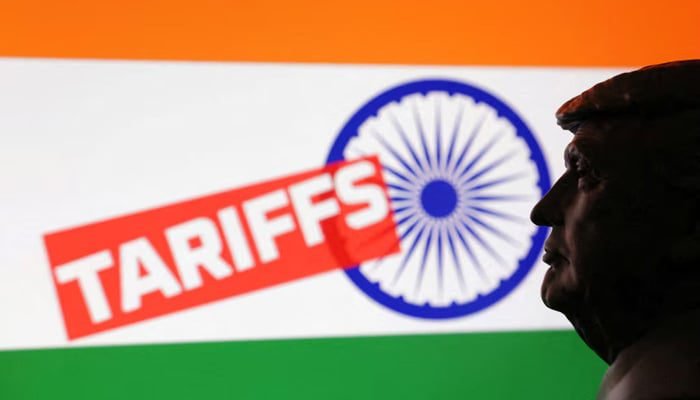
US President Donald Trump’s decision to double tariffs on Indian goods to as high as 50% came into effect on Wednesday, further straining ties between the world’s two largest democracies and strategic partners.
The move combines a punitive 25% tariff linked to India’s purchase of Russian oil with an earlier 25% levy on multiple Indian products. As a result, goods such as garments, gems and jewellery, footwear, furniture, sporting goods, and chemicals now face tariffs of up to 50% — among the highest imposed by the US and comparable to those applied to China and Brazil.
The tariff increase poses a major threat to thousands of small exporters and jobs, including in Prime Minister Narendra Modi’s home state of Gujarat. An official from India’s Commerce Ministry said that affected exporters would receive financial aid and be encouraged to diversify into other markets, including China, Latin America, and the Middle East.
A US Customs and Border Protection notice allows a three-week exemption for Indian goods already shipped before the deadline, permitting entry at previous lower rates until September 17. Steel, aluminum, passenger vehicles, and other products subject to separate tariffs under US national security provisions are also exempt.
While India’s average tariff on US imports stands at about 7.5%, the US Trade Representative’s office has pointed to India’s high duties on certain items, including up to 100% on autos and an average of 39% on US farm goods.
The tariff escalation follows five failed rounds of negotiations. Indian officials were optimistic that duties could be capped at 15%, similar to those applied to Japan, South Korea, and the European Union. However, last-minute efforts to avert the hike fell through, with both sides blaming political misjudgments and communication gaps.
US-India goods trade totaled $129 billion in 2024, with Washington posting a $45.8 billion deficit. Exporter groups estimate that the new tariffs could affect nearly 55% of India’s $87 billion in merchandise exports to the US, while giving competitors such as Vietnam, Bangladesh, and China a competitive edge.
Analysts warn that sustained tariffs at these levels could undermine India’s position as an emerging manufacturing alternative to China for products like electronics and smartphones.
Despite the tensions, both governments sought to downplay friction, issuing identical statements on Tuesday highlighting virtual talks between senior foreign and defense officials. The statements emphasized a shared commitment to deepening ties and reaffirmed support for the Quad alliance, which includes the US, India, Japan, and Australia.