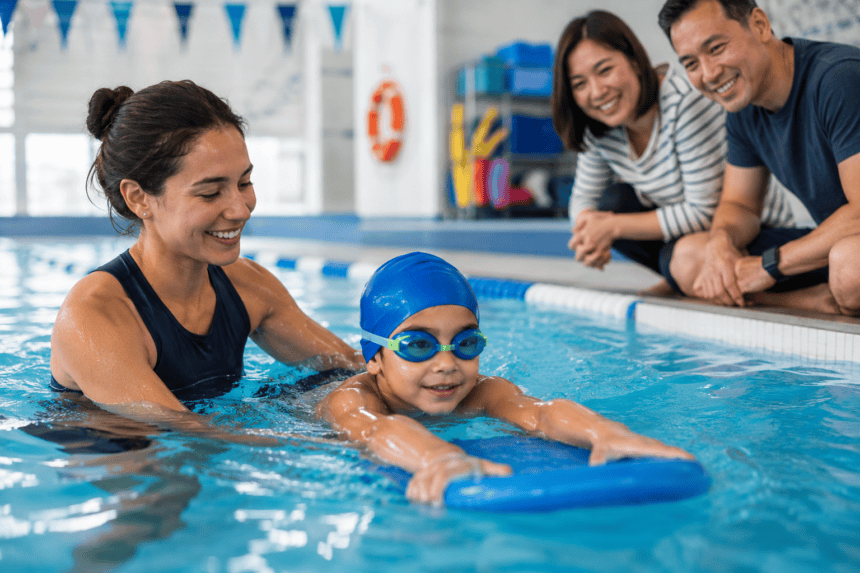
Water can be a source of fun, exercise, and lifelong memories for children. But it also comes with risks that every parent should understand. One of the most effective ways to help protect children is by enrolling them in age-appropriate swimming lessons. While no lesson can make a child completely “drown-proof,” learning essential water skills can significantly improve confidence, safety, and survival in and around water.
Why Swimming Lessons Matter
Drowning is one of the leading causes of accidental injury-related deaths among young children. Many of these tragedies happen quickly and quietly, often in familiar places such as home pools, lakes, or beaches. Swimming lessons help children develop the skills needed to float, tread water, and move toward safety, giving them a better chance of responding if they unexpectedly enter the water.
When Should Children Start?
Experts generally recommend introducing children to water early through parent-child classes and considering formal swimming lessons when they are developmentally ready. Every child is different, so parents should choose a program that matches their child’s age, abilities, and comfort level.
What to Look for in a Swim Program
A quality swim program should include:
- Certified and experienced instructors
- Small class sizes for personalized attention
- Age-appropriate teaching methods
- Water safety education alongside swimming skills
- A safe, clean, and well-supervised environment
Swimming Lessons Are Only One Layer of Protection
Swimming skills are important, but they should always be combined with other safety measures:
- Never leave children unattended near water.
- Ensure young children are always within arm’s reach.
- Use properly fitted life jackets when boating or participating in open-water activities.
- Install barriers and self-latching gates around home pools.
- Learn CPR so you are prepared to respond in an emergency.
Building Confidence for Life
Beyond safety, swimming offers many lifelong benefits. It improves physical fitness, coordination, confidence, and social skills while encouraging a healthy, active lifestyle. Children who feel comfortable in the water are more likely to enjoy swimming as a recreational activity throughout their lives.
Final Thoughts
Swimming lessons are one of the smartest investments parents can make in their child’s safety and well-being. Combined with close supervision and proper water safety practices, they can help reduce risks while giving children the confidence to enjoy the water responsibly. Teaching a child to swim isn’t just about learning a sport—it’s about giving them a life-saving skill that can make all the difference.