By using this site, you agree to the Privacy Policy and Terms of Use.
Accept
Media HydeMedia Hyde
  • Home
  • Politics
  • Education
  • Entertainment
  • Sports
  • Blogs
  • Business & Commerce
  • Others
    • Religious
    • Metropolitan
    • Climate and Weather
Font ResizerAa
Media HydeMedia Hyde
Font ResizerAa
  • Home
  • Politics
  • Education
  • Entertainment
  • Sports
  • Blogs
  • Business & Commerce
  • Others
    • Religious
    • Metropolitan
    • Climate and Weather
Follow US
© 2026 Media Hyde Network. All Rights Reserved.
Health

All about cervical cancer, HPV vaccine as Pakistan begins campaign

Last updated: September 16, 2025 2:39 pm
Irma Khan
Share
SHARE

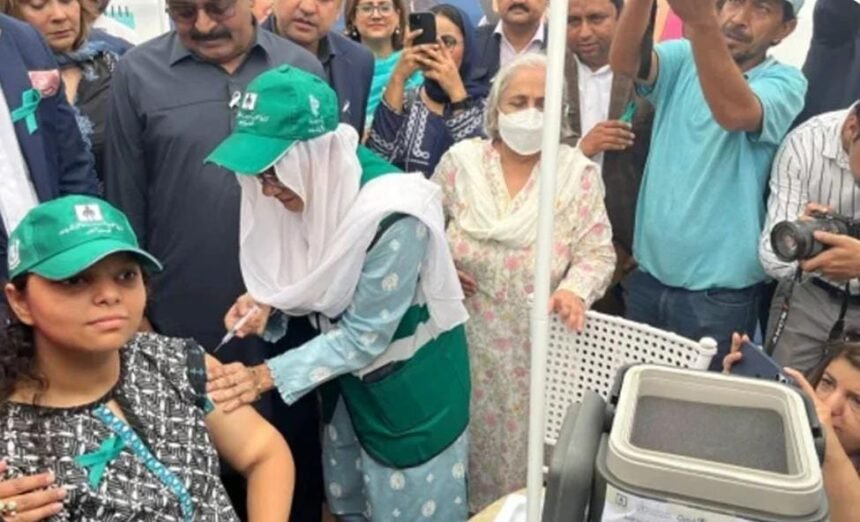
The government of Pakistan has officially launched the HPV vaccination campaign in Islamabad, where a schoolgirl received the country’s first cervical cancer vaccine.

Contents
What is cervical cancer?Cervical cancer develops in the cells of the cervix, the lower part of the uterus that connects to the vagina. In most cases, it is caused by persistent infection with high-risk types of Human Papillomavirus (HPV).What is HPV vaccine?Why launch in Pakistan matters

The initiative aims to protect young girls against cervical cancer, one of the leading causes of cancer deaths among women worldwide.

What is cervical cancer?

Cervical cancer develops in the cells of the cervix, the lower part of the uterus that connects to the vagina. In most cases, it is caused by persistent infection with high-risk types of Human Papillomavirus (HPV).

This cancer is often slow-growing, but if left undetected, it can spread to other parts of the body. Common symptoms include abnormal bleeding, pelvic pain, or pain during intercourse. However, in many cases, symptoms may not appear until the disease is advanced, making prevention critical.

Human Papillomavirus (HPV) is one of the most common sexually transmitted infections. While most HPV infections clear up on their own, some strains can cause cervical cancer. According to global health experts, HPV is responsible for nearly all cases of cervical cancer.

The virus spreads through intimate skin-to-skin contact. Since it can remain undetected for years, vaccination and regular screening are vital preventive measures.

What is HPV vaccine?

The HPV vaccine is designed to protect against the most dangerous types of the virus that cause cervical cancer. By building immunity before exposure, it drastically reduces the risk of developing cancer later in life.

Health experts recommend that girls receive the vaccine between the ages of 9 and 14, as it provides the best protection before the onset of sexual activity. Pakistan’s new campaign follows these global guidelines, focusing on school-going girls to ensure wide coverage.

Why launch in Pakistan matters

The introduction of the HPV vaccine in Pakistan marks a significant step toward women’s health and cancer prevention. Cervical cancer remains a silent killer in many developing countries due to limited awareness, delayed diagnoses, and lack of preventive measures.

By launching this campaign in Islamabad’s government schools, the government has not only taken a medical initiative but also set a precedent for expanding the program across the country.

Share This Article
Email Copy Link Print
Previous Article NADRA Launches New Pak ID App with Urdu Menu, Faster Digital Services
Next Article Shocking Revelation: Why Are CT Scan and MRI Machines Out of Order in Most Major Hospitals of Sindh?
Leave a Comment

Leave a Reply Cancel reply

Your email address will not be published. Required fields are marked *

Sponsored Ads

Stay Connected

FacebookLike
XFollow
InstagramFollow
YoutubeSubscribe
WhatsAppFollow
ThreadsFollow
Karachi likely to receive light rain over next few hours: Met Office
Climate and Weather Headline
September 15, 2026
Trump says calls for more control on AI are a ‘SICK conspiracy’
Headline Technology
September 15, 2026
Mir Raza case: Dr Summaiya Syed claims receiving threats
Court & Crime Headline
September 15, 2026
Karachi: Mother, three children killed in Surjani Town
Court & Crime Headline
September 15, 2026
India to supply Nepal electricity after floods wrecked hydropower projects
Climate and Weather Headline
September 15, 2026
Sale deeds of Idara Noor-e-Haq plots 503, 504 secured
Breaking
September 15, 2026

You Might Also Like

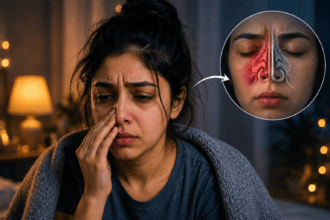
Why Does Your Nose Get Blocked on One Side?
BlogHealth

Why Does Your Nose Get Blocked on One Side?

By
Misbah Jogyat
Health

Invisible Illnesses: Understanding, Coping, and Raising Awareness

By
Irma Khan
Health

Karachi: Doctors at Lyari General Hospital Remove Padlock from Woman’s Stomach Without Surgery

By
Neha Ashraf
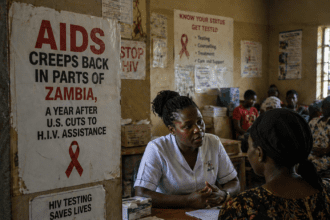
AIDS resurges in parts of Zambia following U.S. aid cuts Lusaka, April 26, 2026 Health officials in Zambia are reporting a worrying resurgence of HIV/AIDS infections in several regions, roughly a year after reductions in U.S. funding for HIV assistance programs. Local health authorities and aid organizations say the rollback of support has disrupted testing, treatment, and prevention services, particularly in rural and high-risk communities. Clinics that once offered free or subsidized care have faced staff shortages, reduced outreach, and limited supplies of antiretroviral (ARV) drugs. Public health experts warn that the decline in funding has weakened progress made over the past decade in controlling the epidemic. Zambia, which has one of the highest HIV prevalence rates in sub-Saharan Africa, had previously seen steady improvements in treatment access and infection control. Community workers report an increase in untreated cases and reduced patient follow-ups, raising the risk of further transmission. Prevention programs, including awareness campaigns and distribution of protective resources, have also been scaled back. The U.S. has long been a major contributor to global HIV/AIDS efforts through initiatives such as the President’s Emergency Plan for AIDS Relief (PEPFAR). The recent funding cuts have had ripple effects across multiple countries reliant on external support. Zambian officials are now exploring alternative funding sources and urging international partners to restore or increase support to prevent further setbacks in the fight against HIV/AIDS. Health advocates caution that without urgent intervention, the situation could reverse years of progress and lead to a broader public health crisis in the region.
Health

AIDS resurges in parts of Zambia following U.S. aid cuts Lusaka

By
Misbah Jogyat
Media Hyde Media Hyde Dark
Facebook Twitter Youtube Rss Medium

About US

Media Hyde Network: Your instant connection to breaking stories and live updates. Stay informed with our real-time coverage across politics, tech, entertainment, and more. Your reliable source for 24/7 News.

Top Categories
  • Headline
  • Politics
  • Entertainment
  • Education
  • Sports
  • Religious
  • Metropolitan
  • Climate and Weather
Usefull Links
  • Contact Us
  • Disclaimer
  • Privacy Policy
  • Cookies Policy
  • Advertising Policy
  • Terms & Conditions

© 2025 Media Hyde Network. All Rights Reserved.

Welcome Back!

Sign in to your account

Username or Email Address
Password

Lost your password?