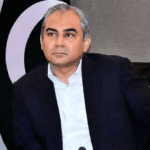
Important details regarding how many women suffer from cervical cancer in Pakistan every year and how many die as a result have been shared by Dr. Urooj Yasir Khan.
According to the state news agency APP, gynecologist Dr. Urooj Yasir Khan, posted at the CDA Hospital, said that every year around 5,000 women in Pakistan are diagnosed with cervical cancer, out of which nearly 3,000 die.
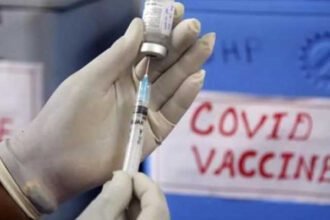
Dr. Urooj Yasir Khan stated that cervical cancer is rapidly increasing in Pakistan and is the second most common cancer among women. She added that under the campaign initiated by the Government of Pakistan from September 15 to September 27, nearly 15 million girls aged 9 to 14 years will be given a single-dose vaccine.
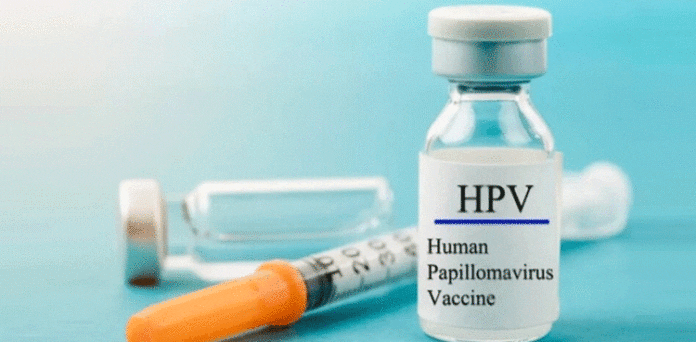
She said that this vaccine will be provided free of cost by the Government of Pakistan to girls aged 9 to 14 years. The preventive vaccine, which is being imported from China, is a single dose, and since immunity is stronger at this age, it is being administered to girls between 9 to 14 years.
In response to a question, Dr. Urooj Yasir Khan explained that commercial vaccines are available for girls and women above 15 years, which are imported from other countries and require two or three doses.
She said that if someone did not receive the vaccine between the ages of 9 to 14 and cannot afford to purchase it later, they can still protect themselves from this deadly disease through regular check ups. She noted that many Islamic countries, including Saudi Arabia, Malaysia, the UAE, and Bangladesh, are already administering this vaccine.
She urged citizens not to become part of any negative propaganda being circulated on social media and to fulfill their responsibility as parents and responsible citizens by getting their daughters vaccinated against cervical cancer. To address this growing issue, the Government of Pakistan, with the support of Gavi and the World Health Organization, has launched the pilot HPV vaccination program from September 15, 2025.
She stated that in this phase, around 15 million girls aged 9 to 14 years in Punjab, Sindh, Azad Jammu and Kashmir, and Islamabad will be given a single-dose vaccine. From 2026, this vaccine will be formally included in the Expanded Program on Immunization (EPI), after which its coverage will expand to the entire country, providing vaccination to nearly 17.8 million girls.
According to Dr. Urooj Yasir Khan, this initiative is a historic milestone in safeguarding the health of Pakistan’s future generations, but its success depends on public awareness. To make this program successful, gynecologists, pediatricians, nurses, community health workers, and teachers will have to play an active role in spreading awareness and eliminating misconceptions in society.