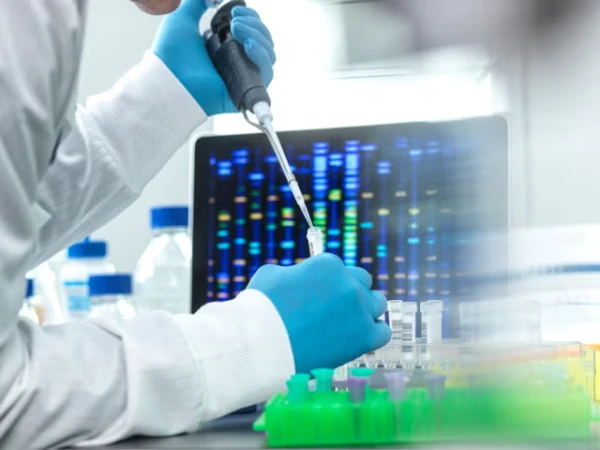
In a new study, scientists revealed that a simple cheek swab (collecting cells from inside the mouth) used to detect genetic mutations in healthy tissues could serve as an effective tool for cancer prevention.
A team led by the Wellcome Sanger Institute, in collaboration with King’s College London’s TwinsUK study, has further improved NanoSeq sequencing a technique that allows scientists to study genetic changes with unprecedented accuracy.
These DNA changes, known as somatic mutations, occur naturally with age and are usually harmless. However, some mutations give cells the ability to grow and replicate, which can lead to the formation of early stage cancer.
For this research, scientists used NanoSeq to analyze cheek samples from 1,042 participants and 371 blood samples from the TwinsUK study.
The analysis identified more than 340,000 mutations in cheek cells, including over 62,000 genes known to be linked to cancer causes, while 49 genes showed mutations that gave cells the ability to grow.