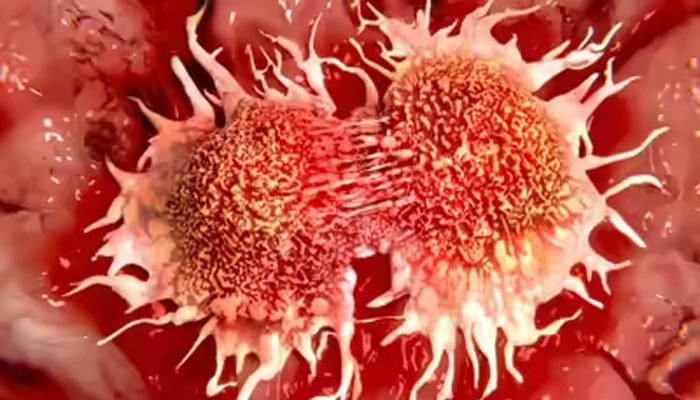
Scientists have discovered a protein called HepA in the bacterium Vibrio cholerae that may help in the treatment of cancer.
According to the study, scientists stated that the protein HepA forces cancer cells to commit suicide.
The research revealed that this protein targets PAR1 and PAR2 receptors, which usually play a role in cancer growth and inflammation. By blocking these receptors, the process of cell suicide begins.
This new discovery has laid the foundation for targeted cancer therapy, which provides effective treatment with fewer side effects. Experiments have shown a clear impact of this protein in breast, colon, and pancreatic cancers.
According to the study, only those cells died that contained HepA, which means the protein’s effect is selective. This discovery could pave the way for cancer treatments with minimal side effects in the future.
The report stated that the research is still at the laboratory stage, but the results are extremely promising suggesting that cancer is treatable if diagnosed in time.
Researchers emphasized that sometimes the cure for diseases lies within the very microbes we consider harmful. They urged people to pay attention to their body’s signals to enable timely diagnosis.