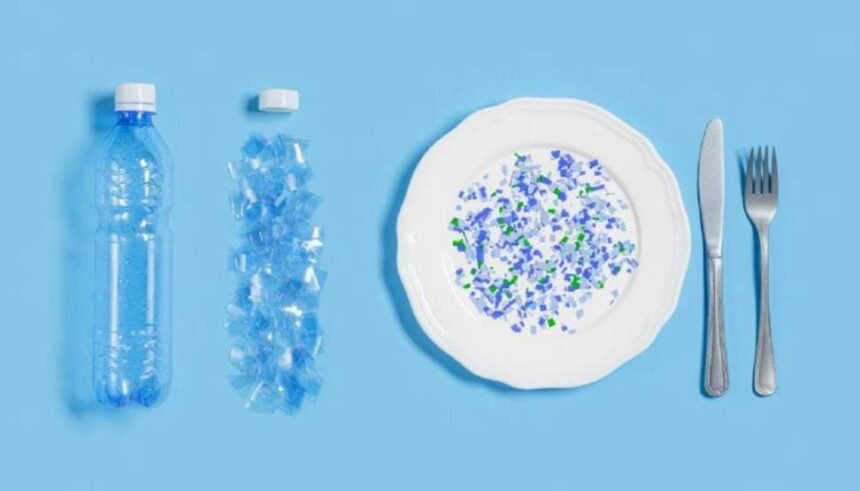
Microplastics, the tiny plastic particles less than 5 millimeters in size, are increasingly being found in human bodies, and new research suggests they could disrupt gut health in alarming ways.
Recent findings from the microONE project, coordinated by CBmed GmbH in Graz, Austria, show that exposure to common types of microplastics can alter gut bacteria, change stool pH levels, and create microbial patterns resembling those found in colorectal cancer and depression. The study was presented at UEG Week 2025, the annual congress of United European Gastroenterology.
Microplastics found to affect gut acidity and microbial balance
Researchers used human stool samples to create bioreactive cultures that were exposed to five common microplastic types — polystyrene, polypropylene, low-density polyethylene, poly(methyl methacrylate), and polyethylene terephthalate.
After five days of exposure, scientists observed that the microplastics lowered the pH of the samples, making them more acidic. This shift in acidity suggests a change in bacterial metabolic activity, which could impact how gut microbes produce energy and interact with the host body.
Changes in fecal pH have already been linked to several gastrointestinal diseases, and researchers noted that the microbial alterations mirrored those observed in colorectal cancer and certain mood disorders.
Gut bacteria changes resemble patterns in cancer and depression
The study found that the bacterial composition shifted in a polymer-dependent manner, meaning different microplastics affected distinct bacterial species. Most of these changes occurred within a phylum of bacteria called Bacillota, crucial for gut health and immune balance.
Moreover, metabolomic analysis revealed changes in key biochemical substances such as valeric acid and lactic acid, both important for maintaining intestinal function. These disruptions are thought to interfere with gut microbial stability, possibly increasing susceptibility to inflammatory and cancerous changes.
Dr. Heather A. Leslie, an independent scientist specializing in microplastic risks, commented:
“Microplastic particles were reported to increase acidity in stool microbial cultures and shift the microbial community’s structure in polymer-dependent ways. We do not want people to be inadvertently microdosing microplastics if these are interfering with the complex balance of their gut microbiota.”
Need for further research and long-term data
While the findings raise major public health concerns, researchers emphasized the limitations of the study — notably the small sample size (five individuals) and the short duration (five days).
Dr. Christian Pacher-Deutsch from the University of Graz, co-author of the study, stated:
“Microplastic particles show an impact on the microbiome, but further research is needed to specifically look into health implications, particularly in relation to human host factors such as the immune system.”
Experts agree that long-term, large-scale studies are now essential to determine how chronic microplastic exposure might influence the human gut microbiome and its role in disease development.
Implications for public health and future research
Although clinical applications are not immediate, this research highlights a potentially serious threat from everyday microplastic ingestion, often through food, water, and packaging materials.
Dr. Leslie added:
“This study challenges the notion that microplastics passing through the gastrointestinal tract are harmless. Their interference with gut microbial balance could have adverse long-term health effects.”
As scientists continue to investigate, public health experts stress the importance of reducing plastic exposure and supporting global efforts to limit environmental microplastic contamination.