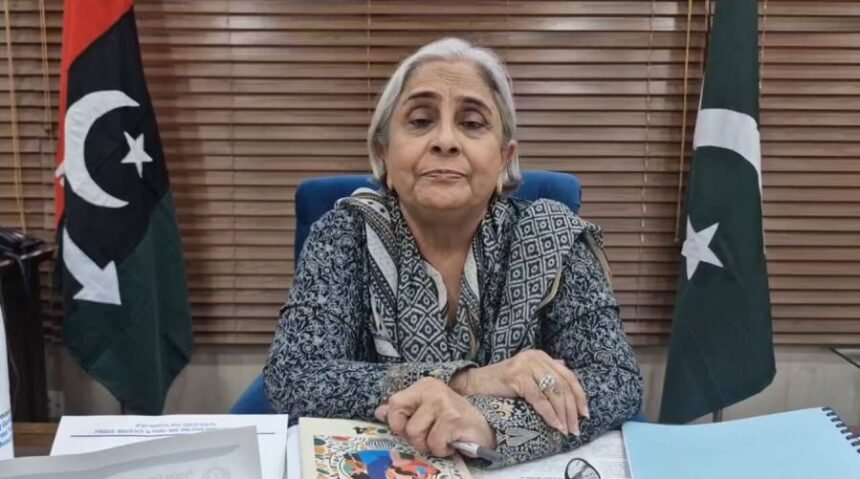
KARACHI: Sindh is grappling with an alarming rise in HIV cases, fueled by unregulated healthcare practices and the widespread presence of quack doctors. A high-level meeting, chaired by Dr Azra Fazal Pechuho, Sindh’s Minister for Health and Population Welfare, recently addressed these growing concerns.
Over 600,000 quack doctors operating in Sindh
The meeting revealed shocking figures, with over 600,000 unqualified practitioners operating across Sindh. Around 40% of these quack doctors are based in Karachi, posing significant risks to public health. Experts noted that unsafe blood transfusions, illegal clinics, and unregistered blood banks are among the leading contributors to the HIV crisis in the region.
The HIV crisis: A critical situation
Currently, Sindh reports 3,995 registered HIV-positive children, with major hotspots in Larkana, Shikarpur, Shaheed Benazirabad, and Mirpurkhas. Authorities have raised alarms over the growing number of new cases across districts, attributing the crisis to unsafe medical practices and unsafe dental tools, along with the reuse of syringes and sale of hospital waste.
Government’s firm stance against illegal practices
Dr Pechuho issued zero-tolerance directives to all Deputy Commissioners (DCs) and Senior Superintendents of Police (SSPs), ordering immediate action against illegal healthcare facilities. She emphasized that political pressure would not be tolerated in halting the crackdown on quackery and illegal practices.
“There will be zero tolerance,” she stated, adding that any political interference would be dealt with directly. The government also called for mandatory HIV screening for pregnant women to prevent mother-to-child transmission.
Tackling illegal blood banks, hospital waste
The Sindh Healthcare Commission was tasked with ensuring that unlicensed blood banks are shut down immediately and a comprehensive list of licensed facilities is made available to the public. Dr Pechuho highlighted that compromised blood screening is a deadly public safety threat and must be addressed urgently.
Vulnerable populations at risk
The most vulnerable groups, particularly children, including garbage pickers and street workers, are at high risk due to unsafe dental procedures, circumcision practices, and contact with infected waste. The Minister emphasized the need for support, not harassment, for drug users and other vulnerable communities, noting that they deserve protection and care, not exploitation.
Collaborative enforcement, action plan
To combat the escalating situation, Dr Pechuho called for a joint enforcement effort involving the police, district administrations, health departments, and community-based organizations (CBOs). This collaborative approach aims to prevent the spread of HIV and tackle quackery head-on.
“The Sindh government stands like a wall against the spread of HIV,” Dr Pechuho affirmed. “No one will be allowed to jeopardize public health.”