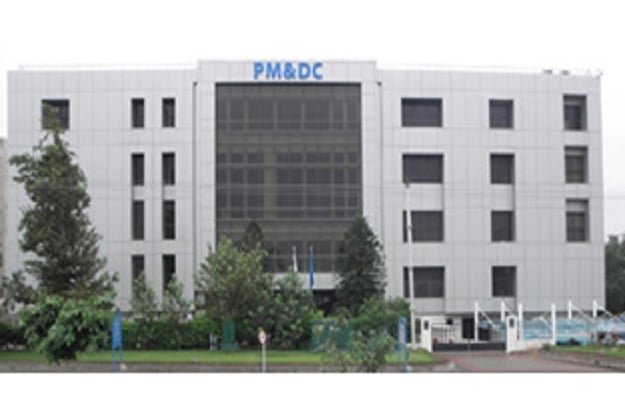
The Pakistan Association of Private Medical and Dental Institutions (PAMI) has appealed for urgent reforms in the governance of medical education, warning that the current policies of the Pakistan Medical and Dental Council (PMDC) are jeopardizing the functioning of private medical colleges and the future supply of doctors in the country. Representing 118 private institutions that produce nearly 65 percent of Pakistan’s doctors, PAMI claims the PMDC’s opaque and rigid decision-making has led to delayed faculty salaries, budget crises, and the risk of program closures.
According to PAMI, the central induction system has become a major barrier to timely admissions, leaving hundreds of seats vacant and thousands of qualifying students without placements. They argue the law permits private colleges to conduct their own admissions with MDCAT holding 50 percent weightage, yet PMDC has denied them this right, affecting merit-based intake and institutional autonomy.
PAMI also criticized the annual fee cap of Rs 1.85 million for private medical colleges, calling it unsustainable given rising operational costs and the absence of government subsidies. They cited comparisons with public colleges in Pakistan—which reportedly spend significantly more per student—and regional and international fee standards to stress the financial strain on private institutions.
The association further raised concerns that despite representing a majority of the country’s medical education sector, it is excluded from PMDC policymaking forums, resulting in regulations they say are disconnected from operational realities and harming educational quality.
PAMI cautioned that continued restrictive control over admissions and fee policies could lead to faculty shortages, institutional decline, and reduced capacity to train future doctors, ultimately undermining Pakistan’s healthcare system. The association urged PMDC to engage in lawful, collaborative regulation and respect institutional autonomy to ensure sustainability and national health needs.
The appeal comes amid growing debate over medical education governance in Pakistan, as institutions call for policy reforms grounded in dialogue, transparency, and legal compliance.