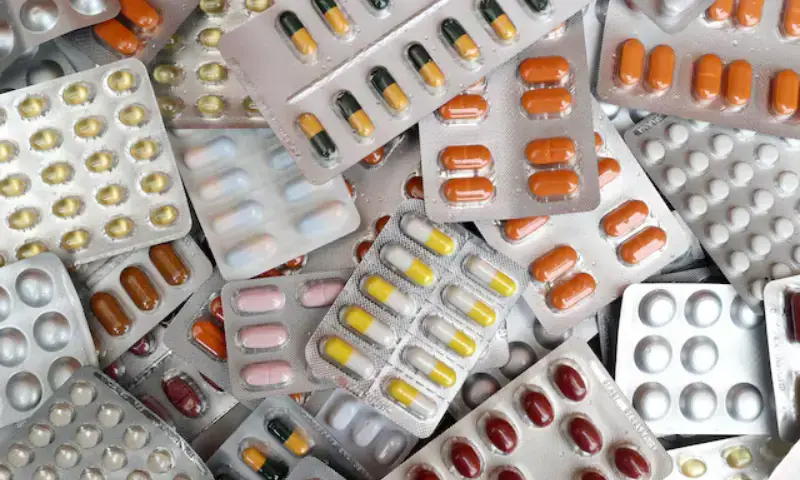
The Pakistan Pharmaceutical Manufacturers Association (PPMA) clarified that after the government’s deregulation policy in February 2024, the prices of medicines increased not by 23 percent but by an average of 15 percent.
The statement from the Pakistan Pharmaceutical Manufacturers Association explained that the 32 percent increase does not reflect the post deregulation change but represents the cumulative rise over the past two years.
The statement further mentioned that the real increase of 15 percent includes around 2.5 percent due to the expansion of production units and the introductory prices of new products, meaning the actual impact on existing medicines is around 13.5 percent.
Citing the latest report from IQVIA, the most credible global source for pharmaceutical sales and pricing data, the PPMA stated that the overall increase in prices during the last 12 months has been only 16 percent.
According to the statement, before the deregulation policy, Pakistan’s pharmaceutical industry was facing a severe crisis due to strict government price controls, the historic depreciation of the rupee, and record inflation reaching up to 35 percent.
As a result, there was a severe shortage of essential medicines for cancer, insulin, tuberculosis, heparin, and heart diseases, forcing patients to rely on counterfeit or smuggled drugs.
The statement added that due to the deregulation policy of non-essential medicines, more than 50 life-saving and essential medicines have become available again in local pharmacies, as manufacturers have resumed production.
In conclusion, the Association thanked the government for taking timely action, which helped stabilize the market and align Pakistan’s policy with international standards, similar to India and Bangladesh, where only essential medicines remain under government price control.