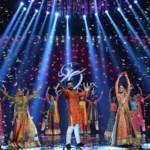
Artists from several countries used their time on stage at the World Culture Festival in Karachi to make one message loud and clear: human creativity is not up for replacement.
The discussion unfolded during a session titled “Creative Freedom in Art” at the Arts Council of Pakistan, where musicians, performers and theatre coaches questioned the growing reliance on artificial intelligence in artistic work. The festival, which brings together participants from more than 140 countries, has spent the week exploring themes of cultural exchange, identity and the future of creative labour.
A Kenyan guitarist set the tone early. He looked toward the audience and said people were forgetting the value of slow, intentional creation. “Whatever takes us months to build, AI spits out in seconds,” he told the crowd. “And when that happens, the soul of the work slips away.” His concern wasn’t just about tools. He blamed the rush for shortcuts, insisting artists were losing their willingness to struggle through the process that shapes genuine art.
One speaker from Malaysia pushed even harder. He warned young performers not to let algorithms dictate their instincts. “If AI tells you what you already know, walk away,” he said. “Stand with your community and trust the craft.” He argued that artists were already fighting to stay visible in a noisy digital world. Depending too heavily on machine-generated ideas, he said, only made it easier for their voices to disappear.
There was another moment that stuck with the audience. A theatre coach from Europe paused mid-speech, looked around the hall, and admitted that artists were tired. “We are slowly dying,” she said. “But if we unite, we can outsmart AI and rebuild discipline in a world that desperately needs it.” People clapped for several seconds before she continued.
Not every comment opposed AI outright. A few performers said the technology could help with research, early drafts or planning. But even they were cautious. One dancer put it simply: “It can assist, sure. It should not decide.”
The broader context mattered too. Festival organisers have framed this year’s edition as a global conversation about peace, connectivity and environmental responsibility. The debate over AI fit naturally into that theme, because artists see the technology pulling culture in two directions at once. On one side, it opens doors. On the other, it threatens to flatten human expression into something uniform and predictable.
What emerged from the session was a shared instinct: the heart of art lies in the doing. In the hands smudged with paint. In the breath before the first note. In the courage to say something that only a human could say.
And in Karachi this week, the people who live that truth were not ready to hand it over to a machine.