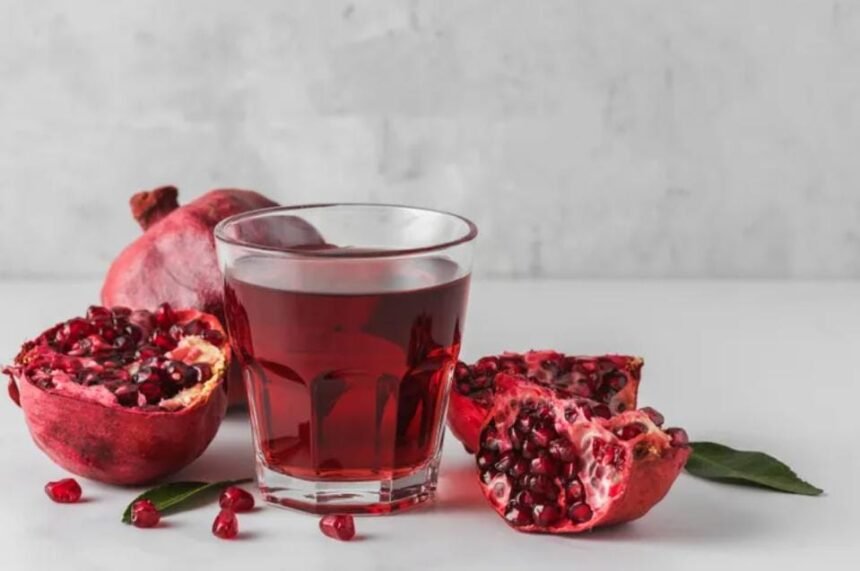
Pomegranates are known for their rich color, refreshing taste, and powerful health benefits — but when it comes to nutrition, many people wonder whether pomegranate seeds or pomegranate juice is the better choice. Experts say both forms offer unique advantages, but the whole seeds take the lead in a few key areas.
Seeds Offer More Fiber and Better Digestion
Pomegranate seeds contain high amounts of dietary fiber, which plays a crucial role in digestion and gut health. Fiber helps regulate bowel movements, supports healthy cholesterol levels, and keeps you full for longer. In comparison, the juice contains almost no fiber, since it is extracted from the fruit’s pulp.
Juice Packs a Higher Antioxidant Punch
While seeds are nutritious, pomegranate juice is especially rich in antioxidants — particularly punicalagins — which help reduce inflammation and protect cells from damage. These antioxidants contribute to improved heart function and may help lower blood pressure. Fresh, unsweetened juice is recommended to avoid added sugars.
Heart Health: Both Are Beneficial
Nutritionists say both seeds and juice support heart health but in different ways:
Seeds improve cholesterol levels due to their fiber content.
Juice enhances blood flow and helps protect arteries from plaque buildup.
Regular consumption of either form has been linked to reduced risk of heart disease.
Which One Should You Choose?
Choose pomegranate seeds if you want:
✔ More fiber
✔ Better digestive health
✔ A low-calorie snack
Choose pomegranate juice if you want:
✔ A high dose of antioxidants
✔ Quick absorption of nutrients
✔ Better support for blood pressure and circulation