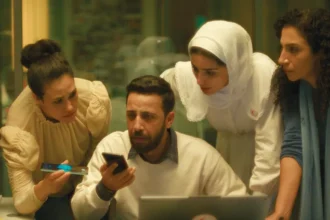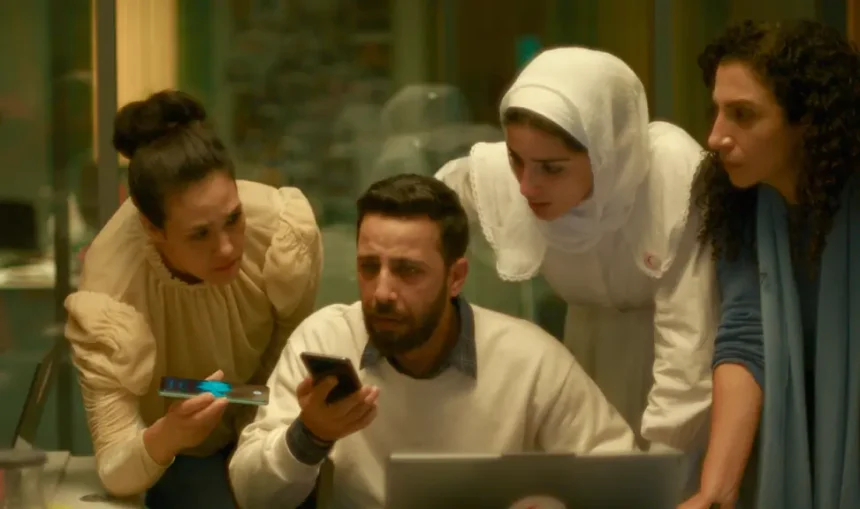
The Doha Film Festival kicked off this year not with glitter or celebrity spectacle, but with a film that left the entire hall unusually quiet. The opening-night screening of The Voice of Hind Rajab—a powerful drama built around the real final phone calls of a five-year-old Palestinian girl killed in Gaza—set an unmistakably serious tone for the festival’s 15th edition.
Directed by Tunisian filmmaker Kaouther Ben Hania, the film draws on Hind Rajab’s desperate recordings as she called for help while trapped in a car with her slain relatives in early 2024. Instead of relying solely on dramatization, the director weaves Hind’s actual voice throughout the film, creating an unsettling and painfully human experience for viewers.
The emotional impact reached its peak when Hind’s mother addressed the audience at the opening ceremony. Fighting through the weight of memory, she said, “I hear her voice every day… The voice of my daughter is the voice of the children of Gaza.” Her words landed with a silence heavier than applause.
Why This Opening Matters
Choosing The Voice of Hind Rajab as the festival’s first screening wasn’t just a programming decision—it was a statement. While many festivals around the world opt for high-glamour, crowd-pleasing premieres, Doha chose a film that confronts audiences with the raw reality of childhood in conflict.
The movie has already stirred international attention. When it premiered earlier at the Venice Film Festival, viewers gave it a lengthy standing ovation, praising its emotional courage and the filmmaker’s decision to centre the story on Hind’s own voice.
Response at the Festival
The theatre in Doha was packed, yet the room felt still. Attendees later described the atmosphere as “heavy but necessary,” with many saying the film forced them to rethink the way they understand stories of war—especially those told from a child’s perspective.
Festival organizers noted that opening with such a film reflects a broader direction for DFF: placing socially urgent stories alongside artistic craft and regional talent.
What Comes Next
The festival’s bold opening raises a few important questions:
-
Will this encourage more regional festivals to feature politically charged or humanitarian stories?
-
Can the film secure broader distribution so its message reaches audiences beyond festival circles?
-
And perhaps most importantly, will this renewed attention influence the global conversation about the protection of children in conflict zones?
For now, the Doha Film Festival has made one thing clear: this year, cinema isn’t just entertainment. It’s a platform for voices that were never meant to be lost.