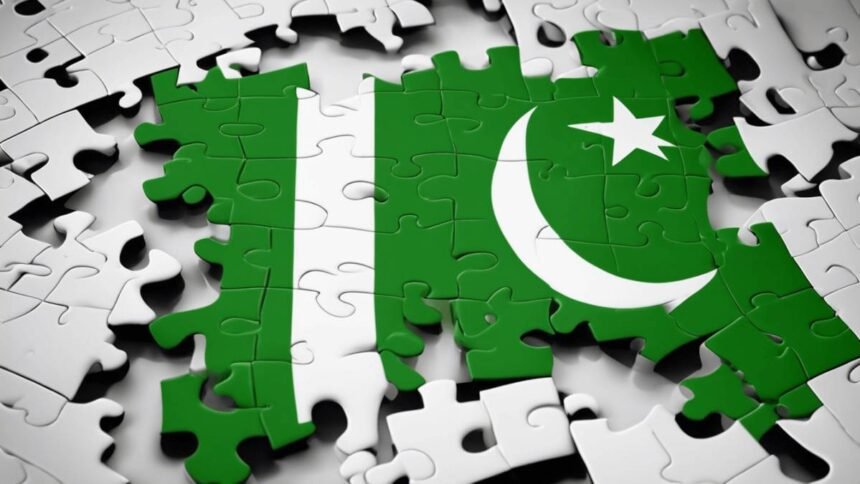
Pakistan is facing a uniquely stubborn form of elite capture that, according to a recent IMF analysis, is far more entrenched and fragmented than in many other developing countries. This deeply rooted system not only weakens the state but also repeatedly derails economic reforms, leaving Pakistan stuck in cycles of crisis and dependency.
At the core of the issue is a rare multi-cluster elite structure. Unlike countries where one powerful group dominates policymaking, Pakistan’s power is divided among several competing blocs including the military establishment, political dynasties, influential landowners, protected industrial groups, and urban commercial networks. Each group extracts benefits in different ways, creating a system of “competitive extraction” that drains national resources.
The IMF notes that this fragmentation produces inconsistent governance. Reforms often fail because every initiative clashes with the interests of one group or another. Tax exemptions continue for both agricultural elites and protected industries, despite clear evidence that such privileges damage economic stability. State owned enterprises (SOEs) remain heavy liabilities because political and bureaucratic networks resist restructuring.
This elite driven model also leaves a deep fiscal mark. Pakistan’s tax to GDP ratio has remained stagnant or declined a sharp contrast to countries like Indonesia, which expanded domestic taxation after financial crises. Preferential tariffs, subsidised loans, and exemptions for powerful groups shrink the revenue base, forcing the country to rely heavily on external borrowing.
Unlike other states where elite capture is mostly economic, Pakistan’s system is tightly woven into political and institutional structures. A civil–military imbalance limits fiscal oversight, political fragmentation blocks reform laws, and bureaucratic inertia slows implementation. This creates what analysts call “elite entanglement” a web of overlapping interests that is incredibly difficult to dismantle.
Experts argue that Pakistan now needs targeted, politically aware reforms rather than generic global models. Broadening the tax base, they say, must focus on modernising institutions through digitalisation and transparent systems not force. Subsidies should shift from entitlement to performance, offering time bound, productivity linked support. SOE reform requires depoliticised governance similar to Singapore’s Temasek model.
Political institutional reform is equally vital. Instead of confrontation, experts recommend unified decision making platforms, transparent reporting, and performance audits to align national priorities with institutional roles. Above all, long-term political stability is essential; no reform can survive repeated political disruptions.
While Pakistan’s version of elite capture is more complex and damaging than most, analysts emphasise that change is possible. The path forward requires a strategic realignment of incentives and institutions not dramatic slogans. Only through steady, practical reforms can Pakistan move from crisis-driven survival to sustainable economic renewal.