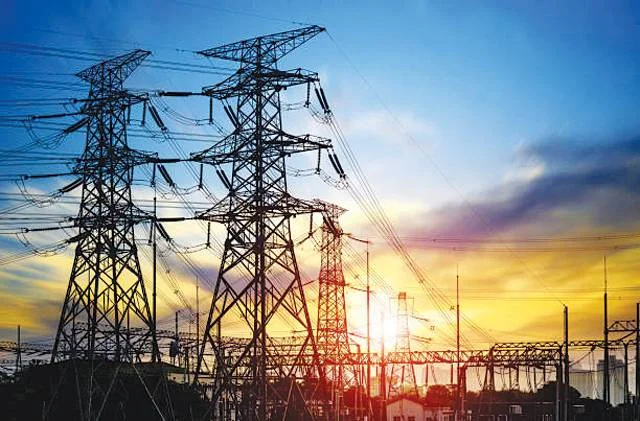
Pakistan’s power generation increased by nine per cent in December 2025 compared to the same month last year, reaching 8,488 gigawatt-hours (GWh), according to data released by the National Electric Power Regulatory Authority (Nepra).
Generation also rose five per cent compared to November, though it remained significantly lower than the peak levels recorded during the summer months.
Despite the increase in output, the average cost of electricity generation climbed to Rs9.6 per kilowatt-hour, reflecting a two per cent rise year-on-year and a sharp 56% increase compared to November.
According to JS Research, the rise in cost was mainly driven by a sharp decline in hydropower generation. Hydropower output fell 51 per cent in December compared to November, reducing its share in the energy mix to 18% and increasing reliance on more expensive thermal sources. Analysts noted that such trends are typical during winter months.
The electricity generation mix in December was dominated by nuclear energy (25%) and coal (24%), followed by RLNG at 17%. Coal-based generation surged 125% compared to December last year, while nuclear output posted a modest 3% increase.
The data also indicates the government’s continued shift away from furnace oil, historically the costliest fuel for power generation.
Renewable energy sources showed limited contribution to the national grid. Wind accounted for 1.9%, solar 0.9%, and bagasse 1.1%, highlighting the slow penetration of clean energy in Pakistan’s power sector.