By using this site, you agree to the Privacy Policy and Terms of Use.
Accept
Media HydeMedia Hyde
  • Home
  • Politics
  • Education
  • Entertainment
  • Sports
  • Blogs
  • Business & Commerce
  • Others
    • Religious
    • Metropolitan
    • Climate and Weather
Font ResizerAa
Media HydeMedia Hyde
Font ResizerAa
  • Home
  • Politics
  • Education
  • Entertainment
  • Sports
  • Blogs
  • Business & Commerce
  • Others
    • Religious
    • Metropolitan
    • Climate and Weather
Follow US
© 2026 Media Hyde Network. All Rights Reserved.
Health

Scientists develop ‘lung-on-a-chip’ to study respiratory infections

Last updated: January 23, 2026 11:54 pm
Irma Khan
Share
SHARE

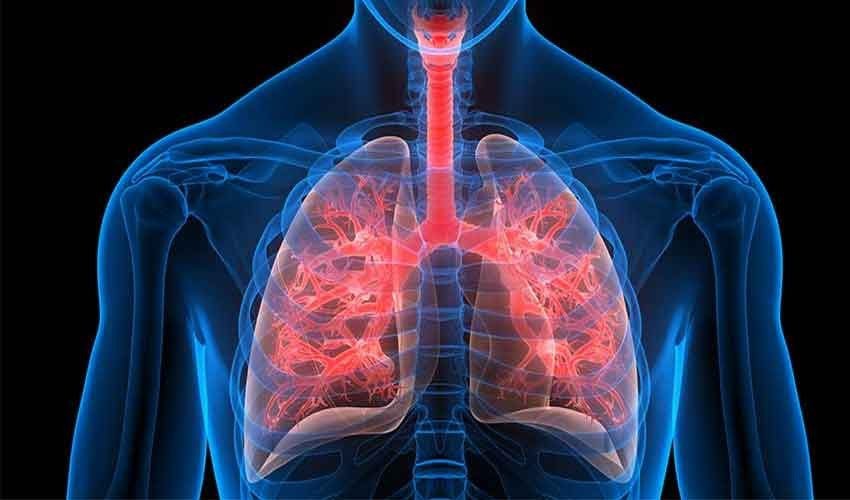
Researchers at the Francis Crick Institute in the UK have developed an advanced ‘lung-on-a-chip’ model using stem cells derived from a single individual, enabling scientists to study how a person’s lungs respond to respiratory infections, including tuberculosis.

Led by Dr. Max Gutierrez, the innovation marks a significant step forward in personalized medicine. By testing treatments on a miniature version of a patient’s own lung, therapies can be tailored more precisely, while reducing the need for animal experiments.

The organ-on-a-chip technology cultivates lung cells on a thin membrane within a device that mimics natural breathing. This allows researchers to closely observe how immune cells interact with disease-causing bacteria during the earliest stages of infection.

Unlike earlier models that used a mix of cells from multiple donors, this approach relies on genetically identical cells from a single person, creating new opportunities to study disease progression and develop individualized treatments.

Laboratory tests revealed that the lung’s cellular barrier began breaking down five days after tuberculosis infection, effectively replicating the early stages of the disease in humans.

The breakthrough aligns with global efforts to find alternatives to animal testing and advance personalized medicine, which takes into account individual differences in disease susceptibility and treatment response.


Share This Article
Email Copy Link Print
Previous Article Why waking up early is harder in winter
Next Article US officially withdraws from WHO
Leave a Comment

Leave a Reply Cancel reply

Your email address will not be published. Required fields are marked *

Sponsored Ads

Stay Connected

FacebookLike
XFollow
InstagramFollow
YoutubeSubscribe
WhatsAppFollow
ThreadsFollow
Nasal Spray Developed to Protect Against all Types of Flu
Health
March 23, 2026
Salt in Drinking Water Silently Contributing to High Blood Pressure in Millions
Health
March 23, 2026
Simple Habit That Can Protect You From 13 Different Types of Cancer
Health
March 23, 2026
Low Fat Vegan Diets Beneficial for Diabetes Patients: Study
Health
March 23, 2026
Bowel Cancer Becomes Leading Cause of Cancer Deaths in People Under 50
Health
March 22, 2026
High Consumption of Ultra Processed Foods Increases Risk of Heart Attack, Study
Health
March 22, 2026

You Might Also Like

Health

‎55 New Dengue Cases Confirmed in Azad Jammu and Kashmir

By
Neha Ashraf
Health

Video of Alleged Misconduct by Staff at Rawalpindi Institute of Cardiology Goes Viral, Inquiry Launched

By
Neha Ashraf
Health

Polio Virus Exists Only In Pakistan And Afghanistan: Murtaza Wahab

By
Neha Ashraf
Health

Intermittent fasting declared safe for brain performance

By
Neha Ashraf
Media Hyde Media Hyde Dark
Facebook Twitter Youtube Rss Medium

About US

Media Hyde Network: Your instant connection to breaking stories and live updates. Stay informed with our real-time coverage across politics, tech, entertainment, and more. Your reliable source for 24/7 News.

Top Categories
  • Headline
  • Politics
  • Entertainment
  • Education
  • Sports
  • Religious
  • Metropolitan
  • Climate and Weather
Usefull Links
  • Contact Us
  • Disclaimer
  • Privacy Policy
  • Cookies Policy
  • Advertising Policy
  • Terms & Conditions

© 2025 Media Hyde Network. All Rights Reserved.

Welcome Back!

Sign in to your account

Username or Email Address
Password

Lost your password?