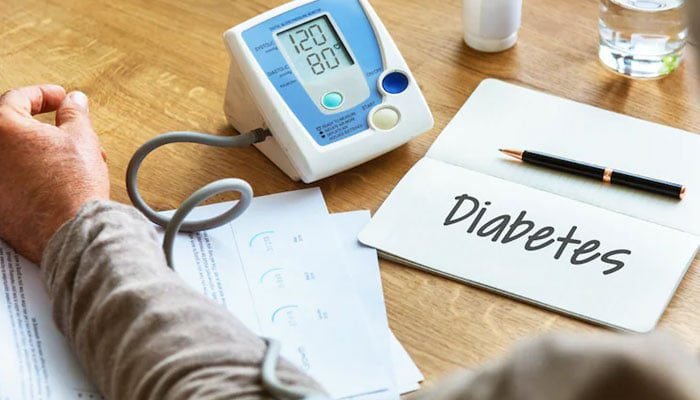
Relying solely on the HbA1c test for early diagnosis of diabetes can prove dangerous.
Medical experts say that the HbA1c test only shows how blood sugar levels have been in the past but does not indicate where the problem is heading.
According to experts, in many patients insulin resistance remains severe despite normal HbA1c levels, which does not appear in routine tests. HbA1c usually rises when the pancreas has already been affected for years. Iron deficiency and conditions such as thalassemia can also cause HbA1c to appear lower than it actually is.
Important tests to assess early risk:
Fasting insulin and HOMA IR:
These two tests provide the earliest indication of insulin resistance when the condition is still reversible.
Triglyceride HDL ratio:
This ratio, available in a standard lipid profile, if higher than 3.0 is a sign of serious risk for heart disease and diabetes.
Continuous glucose monitoring CGM:
This test clearly shows blood sugar fluctuations throughout the day and dangerous post meal spikes that are often hidden in routine reports.
ApoB and hsCRP:
These tests reveal the actual particles linked to heart disease and the level of inflammation in the body, offering a complete picture of metabolic health.
Early diagnosis timely treatment:
According to medical experts, if insulin resistance is detected early, diabetes can not only be controlled but even reversed through exercise especially resistance training, eating at scheduled times, adequate protein intake, and proper medical supervision.
Experts advise that the tests and evidence are available, the only need is to undergo these tests before HbA1c rises to dangerously high levels.