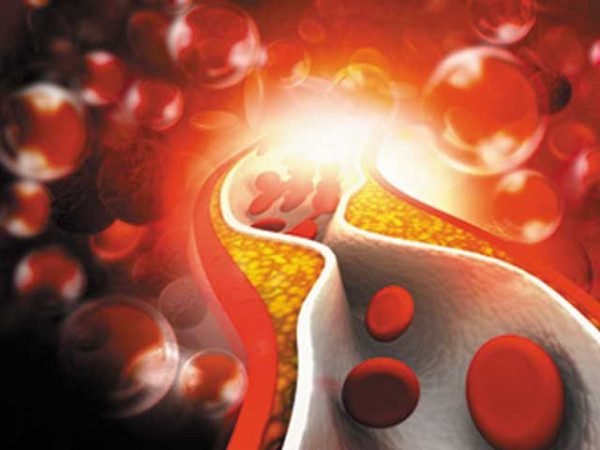
Health experts describe high cholesterol as a silent enemy of the heart that can remain in the body for years without any clear symptoms.
Many people do not realize they have the condition until it begins affecting the heart, brain, or other vital organs. This silence is what makes it particularly dangerous.
Cholesterol is a fat like substance that circulates in the blood. A portion of it is produced by the liver, while the rest comes from food, especially meat, fish, eggs, and dairy products.
Although cholesterol is essential for the body and plays an important role in the production of hormones, strengthening cell membranes, and forming vitamin D, an excessive amount can become life threatening.
Medically, cholesterol is mainly divided into two types. One is known as good cholesterol or HDL, which helps remove excess cholesterol from the blood. The other type is bad cholesterol or LDL, which can stick to the walls of blood vessels, making them narrow and hard. When LDL levels increase, it forms deposits inside the arteries, causing a condition called atherosclerosis, which disrupts normal blood flow.
According to experts, high cholesterol is called a “silent disease” because it does not initially cause symptoms such as pain, weakness, or fatigue. However, when arteries become significantly narrowed, serious problems such as chest pain, difficulty breathing, leg pain, heart attack, or stroke may occur. That is why waiting for symptoms is not considered wise.
Doctors advise certain individuals to undergo regular lipid profile tests. People with diabetes, high blood pressure, and obesity, smokers, and those at risk of heart disease particularly need this test. Some patients are advised to have the test every six months, while others should get it done at least once a year.
High cholesterol can be controlled through preventive measures. A balanced diet plays a fundamental role in this regard. The consumption of full-fat dairy products and red meat should be limited, while fiber rich foods such as oats, lentils, and apples should be included in the daily diet. Omega-3 fatty acids are also considered beneficial.
Moderation is also important in egg consumption. Egg whites provide excellent protein and contain no fat, but excessive intake of the yolk is not recommended. Similarly, at least 30 minutes of brisk walking daily helps increase good cholesterol levels, while at least 150 minutes of moderate exercise per week is considered effective in controlling cholesterol.
Since high cholesterol does not show clear symptoms, regular blood testing remains the most reliable way for early detection. Timely awareness and small lifestyle changes can play a crucial role in preventing major risks such as heart attacks.