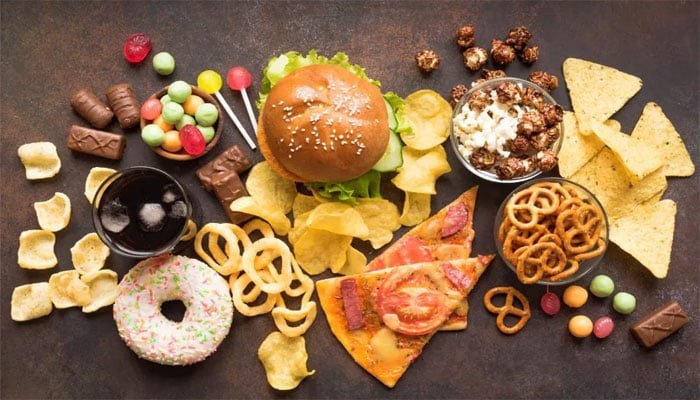
Crisps, biscuits, and cold drinks can increase the risk of death from heart attack or stroke by up to 67 percent. Scientists have explained how daily consumption of ultra processed foods can raise the likelihood of heart attack or stroke related deaths.
Ultra processed foods refer to items that have been heavily processed and contain added chemicals and artificial sweeteners for preservation, such as chips, biscuits, ready made meals, ice cream, and sliced bread.
The lead author of the research team, Ameer Haider, a cardiology fellow at the University of Texas Health Science Center, said that ultra processed foods are linked to an increased risk of heart disease. Although these items may seem convenient for quick consumption, the study suggests they should be eaten in moderation, as they raise the risk of cardiovascular diseases, type 2 diabetes, and obesity.
The study linked these food items to 32 different diseases. An easy way to understand ultra processed foods is through corn: corn on the cob is unprocessed, canned corn is minimally processed, while corn chips fall into the ultra processed category.
According to a recent study conducted at the American College of Cardiology, consuming nine servings of such foods daily can increase the risk of heart attack, stroke, or heart disease by up to 67 percent.
Scientists noted that each additional serving increases this risk by approximately 5 percent. Although nine servings may seem excessive, people can easily exceed this limit. For example, a single serving of chips is about 30 grams, while a typical packet weighs around 150 grams, which is far more than one serving.
The research was based on data from approximately 7,000 American adults collected between 2000 and 2012. Researchers used the NOVA classification system, which categorizes food into four groups: unprocessed, minimally processed, moderately processed, and ultra processed.
Individuals with high consumption of ultra-processed foods consumed an average of 9.3 servings per day, while those with lower intake consumed about 1.1 servings. Those with higher consumption had a 67 percent greater risk of heart attack, stroke, or sudden cardiac arrest.
According to Dr. Haider, regardless of daily calorie intake or overall diet quality, the risks associated with consuming high amounts of ultra processed foods remain nearly the same. With each additional serving, the risk of heart problems increases by approximately 5.1 percent, and this effect was found to be stronger in certain groups. He added that these findings show that not only calories but also the level of food processing is important.
He advised that for heart health, it is essential to consider how processed the food is. To identify ultra processed foods, look for ingredients that are not typically used at home, such as high fructose corn syrup, hydrolyzed proteins, artificial colors, flavors, sweeteners, thickeners, long expiry dates, and ready to eat or instant products.
However, not all processed foods are entirely harmful. For example, whole grain bread and hummus are also processed but can be included as part of a balanced diet.