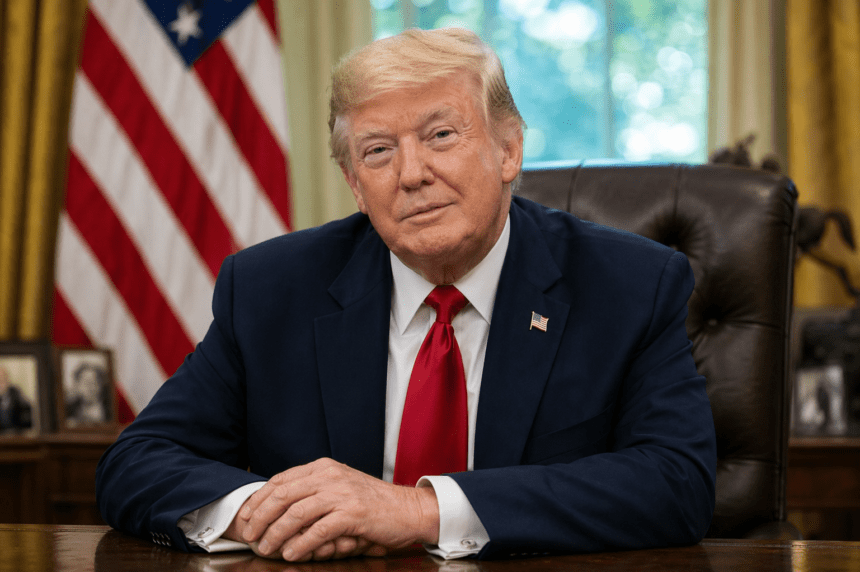
President Donald Trump said Tuesday he was extending the ceasefire with Iran until Tehran’s leadership produces what he called a “unified proposal,” adding that the decision came at the request of Pakistan’s Field Marshal Asim Munir and Prime Minister Shehbaz Sharif. In a post cited by multiple outlets, Trump said the United States would hold off on further attacks on Iran while waiting for its leaders and representatives to come forward with a common negotiating position.
The wording was striking, and not just because Trump publicly named both Pakistan’s civilian and military leadership. It underlined something that has been building for days: Pakistan is now firmly at the center of efforts to keep the U.S.-Iran track from collapsing altogether. The original two-week truce had been due to expire Wednesday, while Islamabad was still trying to salvage another round of talks.
That does not mean the crisis is close to being resolved. CBS reported that Trump extended the deadline even as uncertainty persisted over whether Iran would actually rejoin negotiations in Islamabad. The same coverage said Vice President JD Vance was expected to lead a U.S. negotiating team if talks resume, but Iranian participation remained unclear.
So, in practical terms, Trump’s announcement buys time, not peace. It keeps the ceasefire alive a little longer and gives mediators room to work, but it also puts the burden squarely on Tehran. Washington is now signaling that the next move must come from Iran, and not in fragments. It wants one proposal, one line, one negotiating position.
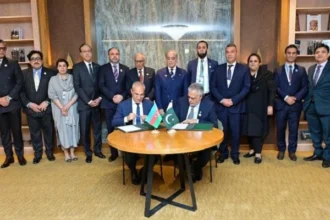
For Pakistan, the statement is politically important. Trump did not refer vaguely to “regional partners” or “friendly governments.” He named Munir and Shehbaz directly, which effectively credits Islamabad with helping prevent the immediate collapse of the truce. That is a notable diplomatic moment for Pakistan, especially as it tries to present itself as a serious intermediary rather than a bystander in a fast-moving regional conflict.
Still, the pause looks fragile. Iran had been hesitant to resume talks, and broader tensions were still high, including pressure around maritime routes and continued military signaling. So the extension should be read less as a breakthrough and more as a last-minute reprieve. The guns may stay quiet for now, but only because diplomacy has been given one more narrow opening.
The immediate question now is simple: will Iran answer with a workable proposal, or will this ceasefire become just another temporary halt before the next round of escalation? That answer, more than Trump’s announcement itself, will decide whether this episode is remembered as the start of real negotiations or merely a delay in renewed conflict.