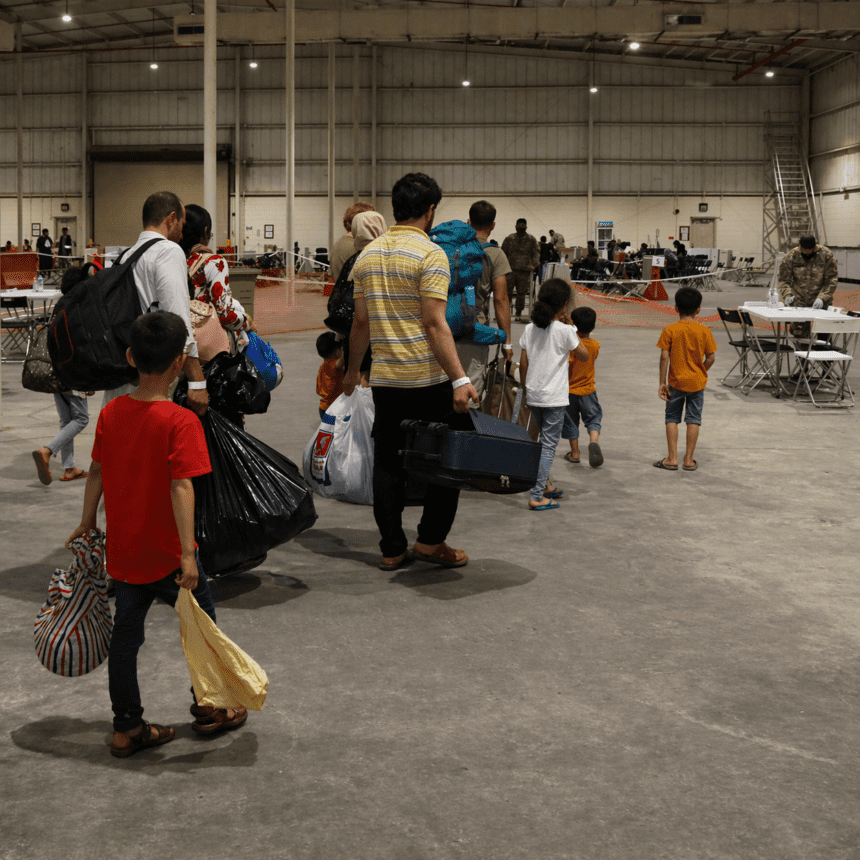
WASHINGTON: The Trump administration is reportedly exploring whether some Afghans who aided U.S. forces and are now stranded in the refugee pipeline could be sent to the Democratic Republic of Congo, a move that would open a new and deeply controversial chapter in America’s long, unfinished withdrawal from Afghanistan. The report lands against a wider backdrop in which Congo has already agreed to take some third-country deportees from the United States under a temporary arrangement announced this month.
What makes this especially sensitive is who these Afghans are. They are not being discussed as random migrants in the public debate, but as people who worked with the U.S. military or American-backed missions during the war and were later funneled into relocation channels that have since slowed, narrowed or stalled. Recent reporting says more than 1,000 Afghans who say they assisted the United States remain stuck in Qatar after the administration froze or disrupted parts of the relocation process.
The Congo angle is alarming to advocates because Kinshasa’s new agreement with Washington was framed around receiving third-country deportees whom the U.S. cannot or will not return directly to their home countries. Congolese authorities said the arrangement is temporary, the U.S. will cover the costs, and each case will be individually reviewed. Even so, rights groups and lawyers have raised serious questions about sending vulnerable people to a country dealing with conflict, instability and a major humanitarian crisis of its own.
So far, the public reporting suggests this is still a developing policy discussion rather than a finished program. But even the fact that Congo is being mentioned tells you something about how strained the Afghan resettlement system has become under current policy shifts. The administration has been under pressure from veterans’ groups and refugee advocates over Afghans left in limbo in places such as Qatar, the UAE and elsewhere, while separate moves to tighten protections for Afghans already in the U.S. have added to the sense of betrayal felt by many former American partners.
There is also a harsh political contradiction hanging over the story. Trump has at times publicly said he wanted to help Afghans who assisted American forces, and reports last year showed his comments raising hopes among families stranded abroad. At the same time, refugee pathways and immigration protections affecting Afghans have been squeezed in other parts of the system, leaving many unsure whether U.S. promises still mean much in practical terms.
For veterans who served in Afghanistan, this issue cuts deeper than routine immigration politics. Many have argued for years that Washington owes a direct moral debt to interpreters, contractors and other Afghan partners who took enormous risks on America’s behalf. A policy that reroutes some of those people to Congo instead of the United States would almost certainly be seen by those groups as not just bureaucratic improvisation, but a break with that promise. That reaction is not speculative in spirit, even if the exact Congo plan is still emerging, because veterans and advocates have already been warning that the U.S. is failing the very Afghans it once urged to trust it.
The immediate question now is whether these talks produce an actual transfer plan or remain a trial balloon inside a broader deportation and relocation strategy. Either way, the optics are grim: Afghans who helped American troops, years after the fall of Kabul, are still waiting to learn whether the country they backed will resettle them, abandon them, or send them somewhere else entirely.