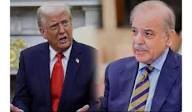
President Donald Trump said on April 21 that the United States would extend its ceasefire with Iran after what he described as a request from Prime Minister Shehbaz Sharif and Field Marshal Asim Munir, easing fears of an immediate return to open conflict just hours before the pause was due to expire. Trump said the extension would remain in place while Tehran’s leadership works toward what he called a “unified proposal,” though he also made clear that the U.S. naval blockade of Iranian ports would stay in force.
That detail matters. A lot. The ceasefire has been prolonged, but the pressure campaign has not been lifted. By keeping the blockade in place, Washington is trying to buy time for diplomacy without surrendering leverage, and that leaves the entire arrangement looking more like a tense holding pattern than a settled breakthrough. Several reports say the White House framed the move as a concession to mediation efforts led by Pakistan, which has been trying to host another round of talks in Islamabad.
Pakistan moved quickly to present the extension as a diplomatic opening. Sharif publicly thanked Trump and said Islamabad would continue pushing for a negotiated settlement, expressing hope that both sides could still reach a broader peace deal during a second round of talks planned in the Pakistani capital. That public message was important not only for optics, but because Pakistan has increasingly cast itself as a go-between at a moment when direct trust between Washington and Tehran appears badly damaged.
Still, the path forward looks messy. Iran has shown deep reluctance to return to negotiations while the blockade remains in place, and multiple reports say Tehran’s political leadership has not fully agreed on how, or even whether, to re-engage. Trump, meanwhile, has accused Iran of violating the ceasefire on several occasions