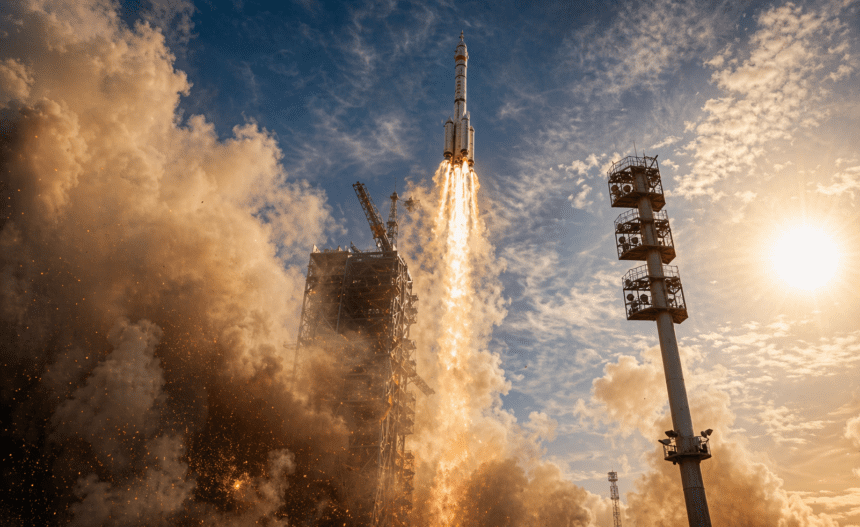
Pakistan has officially entered the next phase of its space cooperation with China, selecting two astronauts to join Beijing’s upcoming space missions. The announcement marks a shift in Islamabad’s space policy, moving from satellite deployment to active participation in human spaceflight.
The selection comes as part of a bilateral agreement between the Pakistan Space and Upper Atmosphere Research Commission (SUPARCO) and the China Manned Space Agency (CMSA). While names of the candidates remain undisclosed, officials confirmed the pair will undergo intensive training in China, covering life support systems, emergency procedures, and microgravity operations.
This isn’t just about sending a flag into orbit. For Pakistan, it’s a strategic move to catch up with regional peers who have already established a human presence in space. By leveraging China’s Shenzhou program infrastructure, Pakistan avoids the prohibitive costs of building a domestic human spaceflight program from scratch.
Beijing has been aggressive in courting partners for its Tiangong Space Station. For China, having Pakistani astronauts onboard provides a high-profile demonstration of the “all-weather” strategic partnership. It’s a diplomatic win that reinforces the China-Pakistan Economic Corridor (CPEC) narrative, extending their collaboration from terrestrial infrastructure into low-Earth orbit.
The training cycle is rigorous. Candidates will face centrifuge testing to simulate high G-forces, underwater neutral buoyancy training for spacewalks, and isolation drills that mirror the psychological strain of life aboard a space station. It’s a grueling path, and not every candidate completes the final certification.
Critics, however, point to the domestic economic climate. With Pakistan struggling to stabilize its fiscal deficit, questions remain regarding the long-term funding of such high-tech endeavors. Critics argue the capital could be better spent on internal industrial development. Supporters counter that the technological transfer and the prestige of a national space program are essential for long-term scientific independence.
Whether these candidates eventually reach the Tiangong station or serve as ground-based mission specialists, the move signals a permanent change in Pakistan’s aerospace trajectory. The race to the stars is no longer reserved for the world’s superpowers. Islamabad is betting that its future, quite literally, lies above the atmosphere.