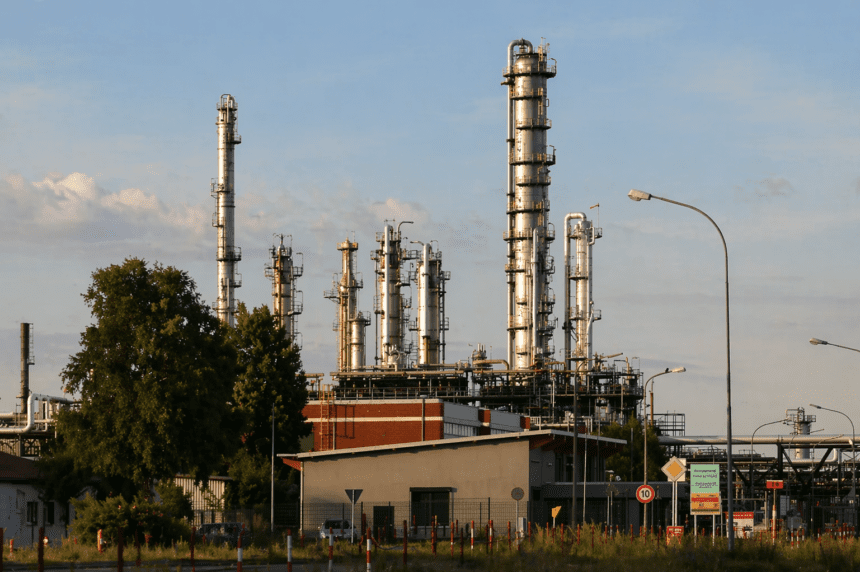
Russia is preparing to choke off crude oil supplies to Germany through the Druzhba pipeline, a move that signals a final break in the energy ties that once anchored the European economy. The decision, communicated to German refinery operators this week, marks a definitive shift in the continent’s energy map as Moscow pivots its export focus toward Asia.
The Druzhba, or “Friendship,” pipeline has been the literal artery of Soviet—and later Russian—energy exports to Central Europe for decades. Cutting flows to Germany, once the primary consumer of Russian crude, removes the last remaining physical link between the two nations’ energy sectors.
For Berlin, the impact is immediate but manageable. German refineries have spent the last two years aggressively sourcing alternatives, shifting to seaborne crude from the North Sea, the U.S., and Kazakhstan. The reliance on Russian oil, which stood at roughly 35% before the Ukraine invasion, has been whittled down to zero by government mandate.
“We have been preparing for this day since the start of the conflict,” an official at the German Ministry for Economic Affairs told reporters. “Our refineries are no longer dependent on the Druzhba infrastructure.”
The decision isn’t purely economic; it’s a strategic realignment. Moscow has spent the better part of the year rerouting its Urals crude to China and India, often at a discount, to bypass Western price caps. By shutting the tap to Germany, Russia is formalizing a divorce that had already been forced by sanctions and political friction.
The pipeline’s northern leg, which snakes through Belarus into Poland and Germany, will now likely sit idle or be repurposed for smaller volumes destined for other regional players who have yet to fully decouple. The shift leaves Hungary, Slovakia, and the Czech Republic as the only remaining European nations still receiving oil via the southern leg of the pipeline.
The Kremlin hasn’t provided a specific operational date for the total cessation, but industry insiders expect the flow to stop before the end of the current quarter.
This isn’t just about oil. It’s the final collapse of a long-standing geopolitical doctrine: the idea that deep energy integration would ensure peace between Moscow and Berlin. That era ended the moment the first tanks crossed the border into Ukraine, and today, the pipelines are just catching up to that reality.